Why the Sausage Is Made
A Grind Above
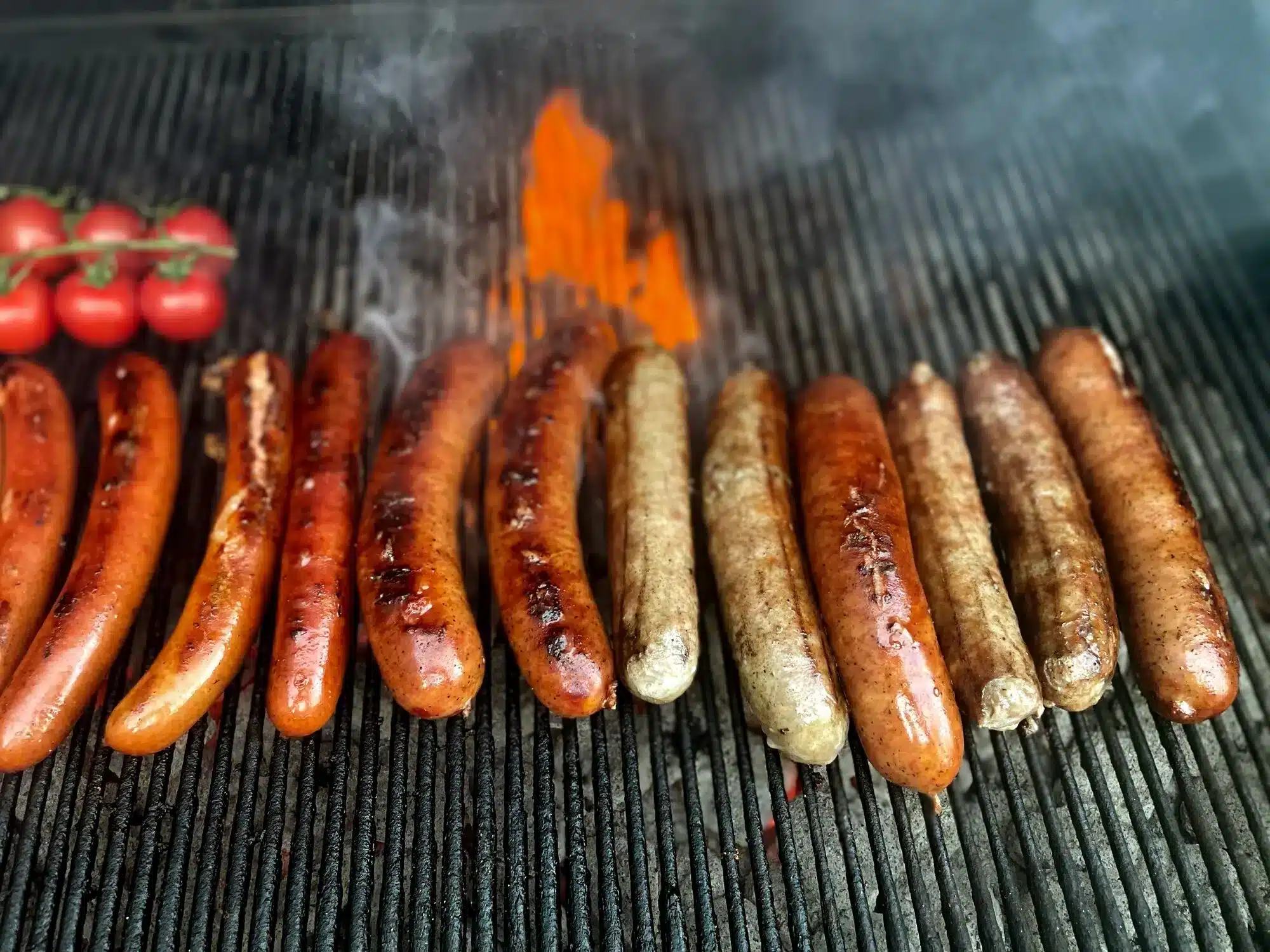
Ah, sausage. Is there a clearer sign that summer in the Northeast is finally here? Or a more delightful way to enjoy a perfectly composed bite of pasture-raised meat? We don’t think so. Sausage has a storied history and a special place in our culinary hearts. Let’s dive into its rich past and appreciate how this humble food plays a crucial role in local, regenerative farming.
Linking to the Past
In the colonial days of New England, sausage was an essential part of the diet. Farmers used every part of the animal to make sure nothing went to waste—a practice that’s still alive today in our whole animal approach at Walden. Traditional sausages often included a mix of pork and beef, seasoned with local herbs and spices. These sausages were not only a way to preserve meat but also a versatile ingredient in many hearty dishes that sustained families through the harsh winters.

As cities grew and industrialization took hold, sausage production scaled up. European settlers arriving in America brought their sausage-making traditions with them. The German, Italian, and Polish immigrants who settled in the Northeast were particularly instrumental in introducing a variety of sausages to the region.
- Italian Sausage: Often spiced with fennel or anise, this sausage can be sweet or hot. It’s a staple in pasta dishes, pizza toppings, and the Italian-American Sunday gravy.
- Bratwurst: Hailing from Germany, bratwurst is typically made from pork and veal, seasoned with ginger, nutmeg, coriander, or caraway. It’s best enjoyed grilled and served with mustard and sauerkraut.
- Kielbasa: A Polish favorite, kielbasa is a garlic-heavy sausage that’s often smoked. It’s versatile enough to be grilled, baked, or added to stews and soups.
Each group adapted their recipes to the available local ingredients, creating unique variations that have become staples in American cuisine.
Nose-to-Tail
In the grand tradition of Whole Animal eating, sausage epitomizes responsibly-crafted meat. It uses flavorful parts of the animal that might otherwise be discarded, maximizing yield and minimizing waste. This is especially important in regenerative farming practices, which aim to create a closed-loop system that benefits both the environment and the farmer.
At Walden Local, we champion these responsible practices. Our partner farmers use rotational grazing to enrich the soil, sequester carbon, and promote plant diversity. By raising livestock this way, we’re not only ensuring the health of our pastures but also producing top-quality meat for our sausages. You can find all of our flavorful sausage blends on our monthly specials page! Be sure to let us know your favorite and what fresh new blends you’d like to see!
Related Posts
Walden Family Farmers: Meg and Rob Wilcox
See inside Wilcox Family Farm, a multi-generational regenerative farm in Brookfield, NY, and learn why supporting small farms matters.
Need Better Protein? Here’s Why Walden’s is Different.
This is about building something better—for the land, for farmers, for communities, and for the future.
Walden Family Farmers: Riley Harrness
Riley’s awareness of regenerative agriculture is as long as his farming history. He recognized the need to respect the land to sustain its use. The Harness farm is located on the side of a mountain in Vermont, in a snow belt. Despite the challenges of farming, especially during a harsh winter, he is proud of his partnership with Walden to feed families and contribute to his local economy.