Our 2025 Impact Report
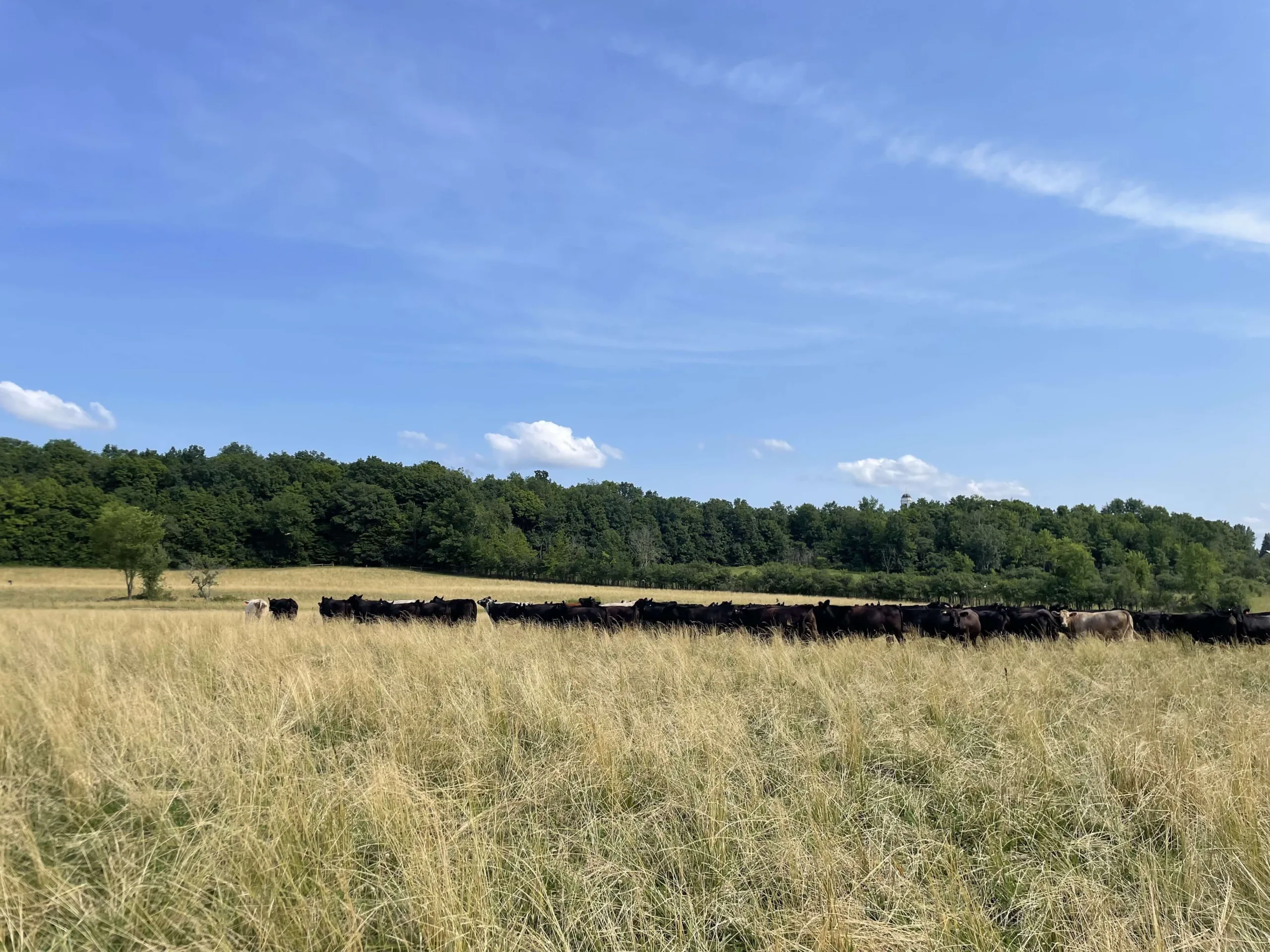
Every year, we publish an Impact Report to answer a simple question:
What happens when more people choose a healthier food system – with meat raised the right way, instead of for speed and scale?
Our 2025 Impact Report lays out the results. Not promises. Not intentions. Actual outcomes, for farmers, land, animals, and the families we serve.
Why We Publish an Impact Report
Walden exists to challenge a meat system that became mindless.
A system built for speed and scale, not care.
One that squeezes farmers, cuts corners with animals, and trains all of us not to ask questions.
We publish an Impact Report because fighting that system requires more than good intentions.
It requires proof.
As a Certified B Corporation and Public Benefit Corporation, we measure what we do and share it openly: how farmers are paid, how land is managed, and what it actually takes to raise meat with care.
This report is how we make the fight visible.
A record of the choices we’re making, and an invitation to stay aware of what’s on the table.
2025 by the Numbers
Here are a few highlights from the year:
- 24,000+ families fed with regeneratively raised meat
- 28,384 acres managed using regenerative practices
- +60% growth in regenerative acres compared to 2024
- 333% premium paid to partner farmers over commodity prices
- 37,141 pounds of food donated through our 1% for the Hungry program
- 35% better Omega-6 to Omega-3 ratio in Walden ground beef compared to the USDA benchmark
Each of these numbers represents something meaningful: healthier soil, better animal care, stronger farm economics, and better food on the table.
Supporting Farmers When the System Makes It Hard
2025 was one of the most challenging years farmers have faced in decades.
- Historic cattle shortages.
- Extreme weather.
- Rising land, feed, and labor costs.
While conventional supply chains pushed more risk onto farmers, Walden continued to do the opposite.
For every dollar Americans spend on meat, farmers typically receive about 15 cents. Walden farmers receive closer to 50 cents. That’s over 300% more money staying on the farm, and it’s the difference between surviving and selling out.
That difference allows farmers to:
- Invest in soil health and pasture management
- Care for animals properly
- Build operations that can last, not just survive the next season
As several of our farmers put it in the report: “I want to do better, but I can’t afford to fail.” Our job is to make sure they don’t have to choose.
Raising Healthier Meat, Not Just Making Claims
In 2025, we deepened our focus on outcomes, not labels.
We expanded our internal regenerative scoring system to measure soil health, grazing impact, animal welfare, and carcass quality.
- We partnered with Edacious, a food-nutrition research organization, to analyze the nutrient density of Walden meats compared to conventional and other “better” options.
- We continued strengthening animal welfare standards across all species—no antibiotics, no growth hormones, pasture rotation, and humane handling requirements.
The result is meat that doesn’t just check boxes, it tastes better, nourishes better, and reflects better farming
Beyond Organic: Regeneration at Scale
Regenerative agriculture isn’t about doing less harm. It’s about creating a net positive impact.
Based on conservative estimates, Walden partner farms now sequester the equivalent of:
- 1,887 metric tons of carbon annually
- The same impact as planting over 31,000 trees
- Or avoiding 4.8 million miles of driving
Those outcomes are made possible by farmers doing the hard work, and by members choosing to support them.
Why This Report Matters
This report isn’t about Walden patting itself on the back. It’s proof that:
- Farmers will choose better systems when the economics work
- Regional food systems can scale without becoming industrial
- Flavor, nutrition, animal welfare, and environmental responsibility can coexist
Most of all, it shows that every purchase is a vote – and those votes add up.
Read the 2025 Impact Report
If you want to go deeper, into farmer voices, animal welfare standards, carbon impacts, and how this system actually works, we invite you to read the full report above.
This is what building a healthier food system looks like.
And we’re just getting started.
Related Posts
Walden Family Farmers: Riley Harrness
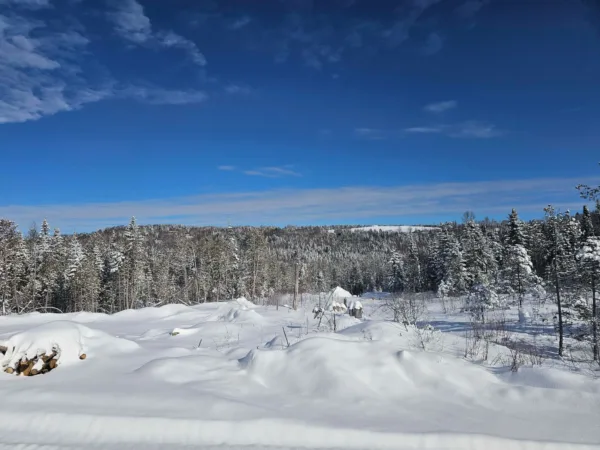
Riley’s awareness of regenerative agriculture is as long as his farming history. He recognized the need to respect the land to sustain its use. The Harness farm is located on the side of a mountain in Vermont, in a snow belt. Despite the challenges of farming, especially during a harsh winter, he is proud of his partnership with Walden to feed families and contribute to his local economy.
Why Walden Members Matter—From a Farmer Who Lives This Every Day
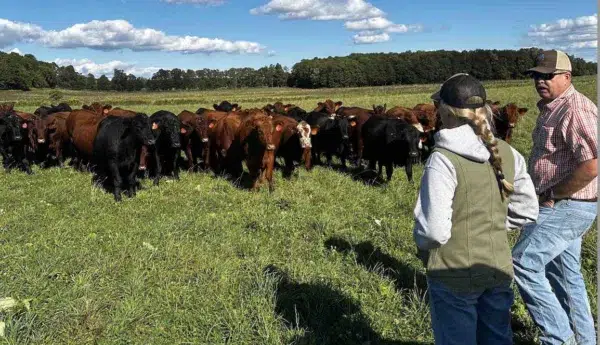
When farmers know that there is a market that will support regenerative production—not just philosophically, but economically—they are far more willing to step away from systems that no longer serve them or the land. When consumers consistently choose food that reflects their values, they help make those transitions possible.

Grass-Fed Classic Eggnog
A rich and creamy eggnog made with Walden’s milk and eggs.