Walden Family Farmers: Meg and Rob Wilcox
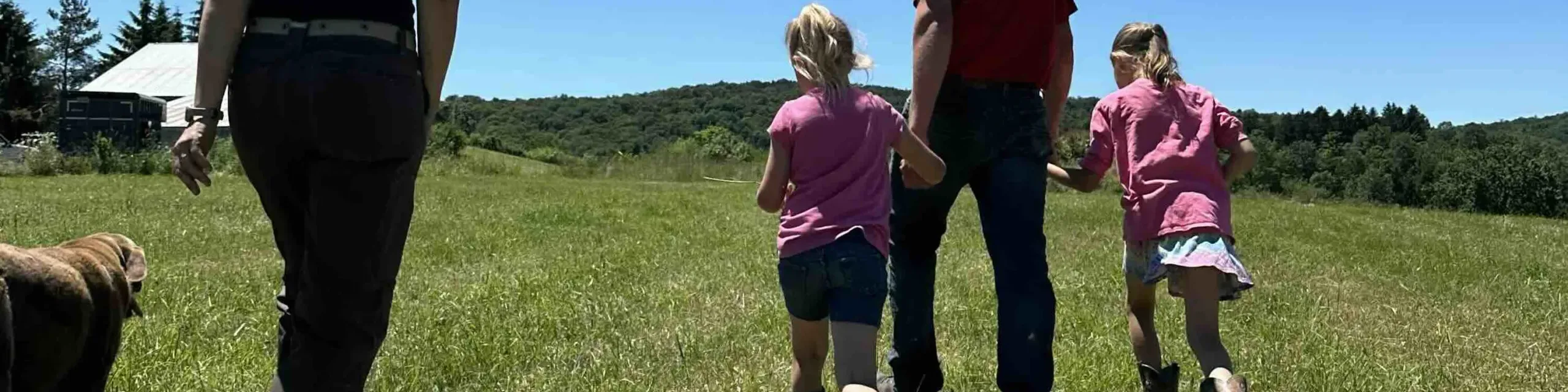
The hens have names
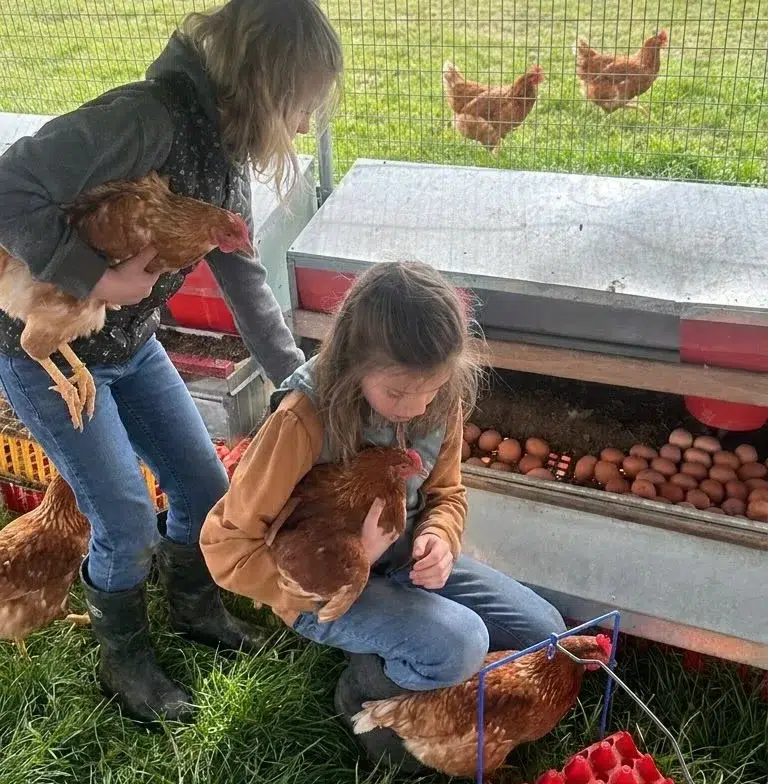
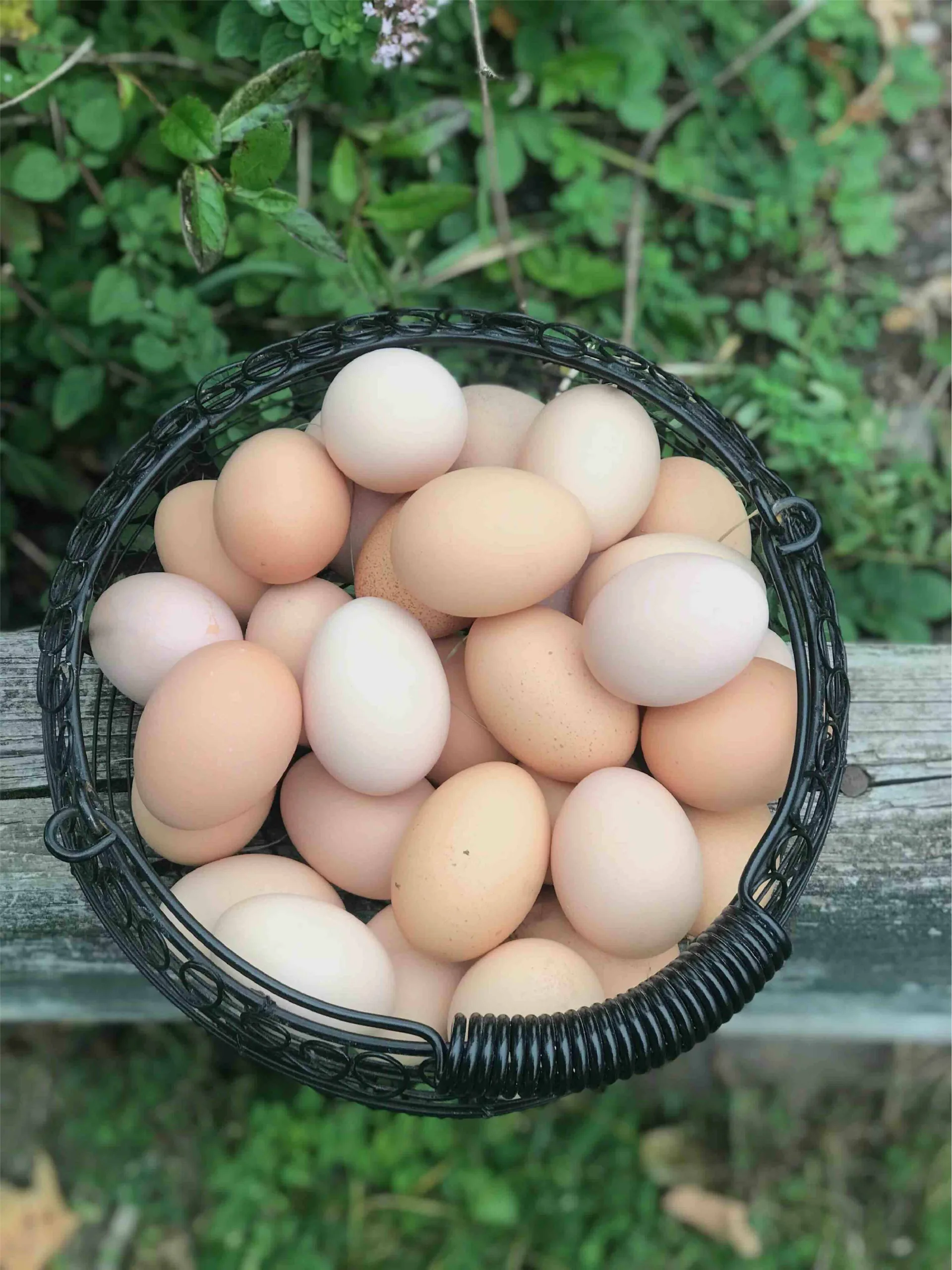
Megan Wilcox and her two daughters collect eggs seven days a week on their regenerative family farm. Beth is nine. Kaye is eight. They each carry a chicken under one arm.
The chickens have names. Henrietta. Blackie. Some others Rob, Meg’s husband, can’t always keep straight, because the girls keep changing them. Each hen has a story: what she likes, what she doesn’t, who chased who out of the dust bath this morning. The girls collect eggs one at a time, slowly, because they have only one free hand. There are around two thousand birds. Meg would like the work to go a little faster.
That is what two thousand dozen eggs every two weeks looks like when you’re a regenerative farm and not a factory one.
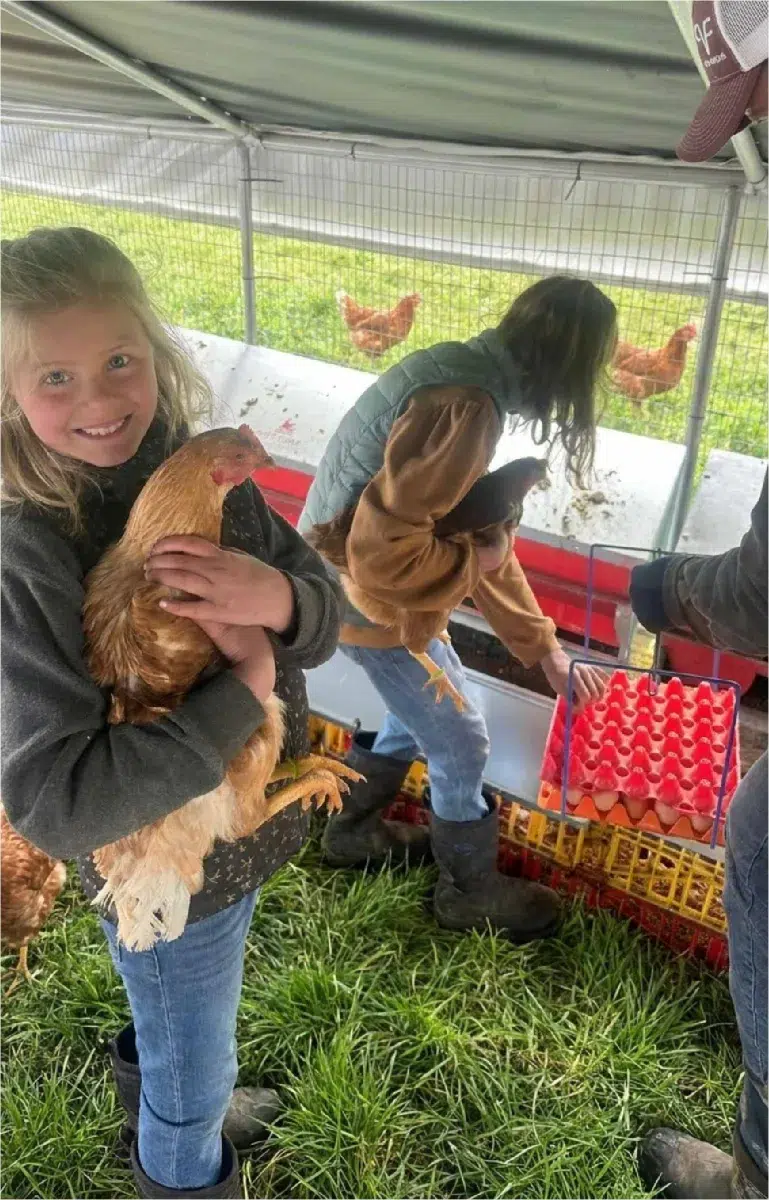
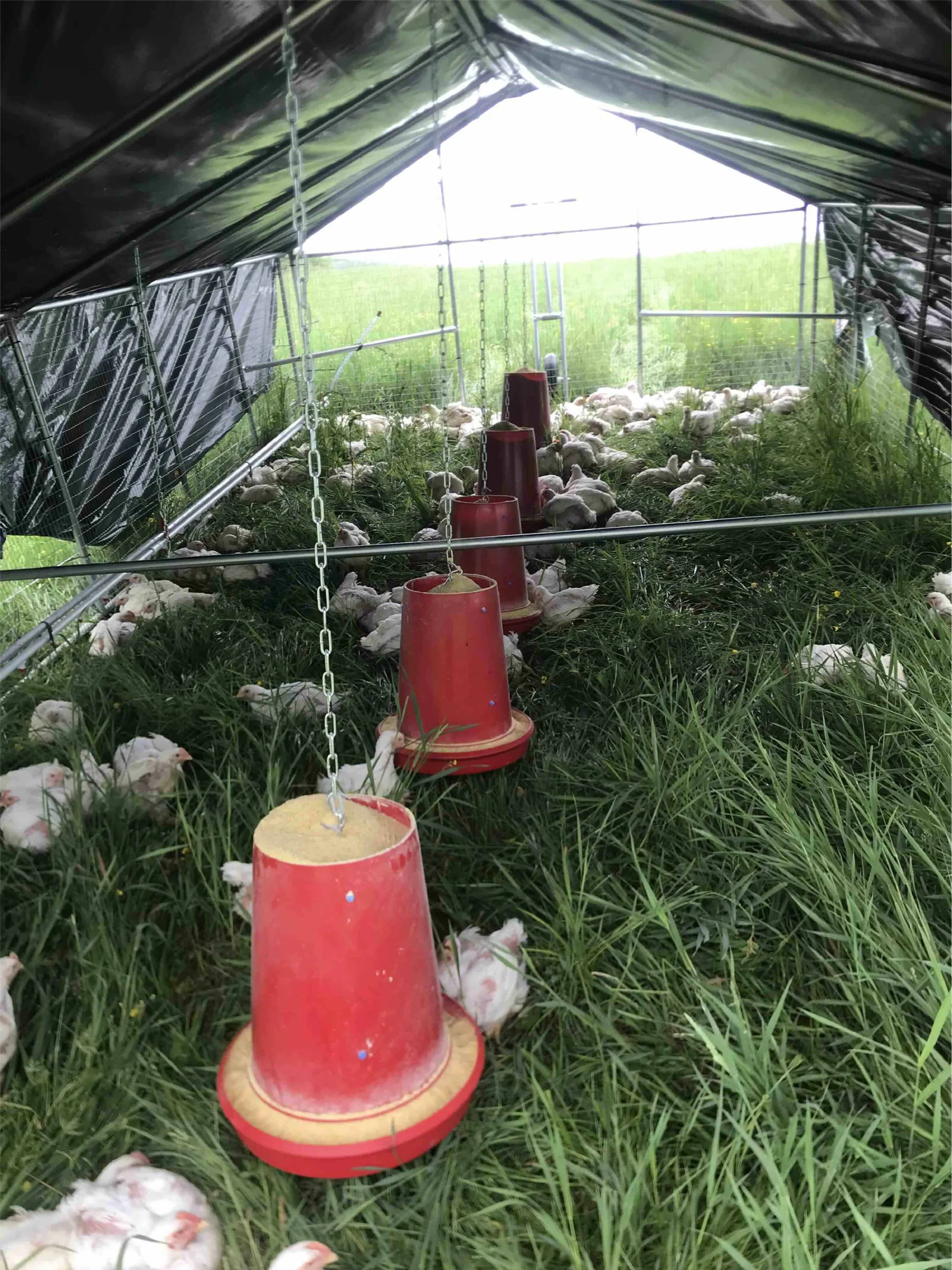
Wilcox Family Farm is in Brookfield, New York, on hills high enough that runoff has always been the central problem. Brookfield doesn’t have a post office that delivers, so the official address goes through West Edmeston, the next town over. The regenerative farm runs about two thousand laying hens for Walden, plus pasture beef, pasture pork, and broilers. They did turkeys last fall.
Rob’s father bought this place in 1972, at eighteen. Rob has never lived anywhere else. He still has the bedroom his three brothers shared growing up. When he and Megan got married, they moved into the house his father built. They built a log cabin across the road for his dad. His dad has since passed; Rob’s sister lives in the cabin now.
The farm started with replacement dairy heifers; there used to be a market for raising young dairy cows for other people’s herds, before the small-dairy world thinned out. Then Rob and Meg got married in October and started shipping milk by January 1.
They milked Jersey crosses for ten or twelve years. Delicious, five percent butterfat milk, all fed on hay. They had a conventional milk market but farmed it the way most organic dairies do: minimal grain, minimal inputs, animals on grass. “We did it the least expensive way,” Meg says. The milk was good. The market never paid them what it was worth.
Then COVID came, milk got cheaper, and they sold the herd.
Finding Drover Hill
The shift to meat happened on someone else’s farm. Rob and Meg were over picking up pasture pig feeders when the owner, a man who ran a small meat business called Drover Hill — asked what they were planning next. Something like a meat business of our own, they said. Eventually.
He said: I’m closing mine. The name’s about to die unless someone takes it.
They sat on it for six months. Rob wasn’t ready to give up on the dairy. He thought the small-dairy world might come back. It didn’t.
They called Drover Hill back, sold the cows, and started selling the beef, pork, and chicken they had been raising for the family anyway. Meg picked up an off-farm job again. She has had one, off and on, for most of their married life.
You are what you eat
Meg grew up on a horse farm. She had a full equine scholarship in college and turned it down to study dairy. By the time she met Rob, she thought she knew how to farm. She didn’t, not exactly. Rob’s family had been doing it differently from the textbooks for a long time. She had to learn his way of thinking. They butted heads. They were married in October and milking by January 1, which she will tell you is the fastest way to find out whether a marriage is going to hold.
But there is one thing Meg figured out on her own, and she returns to it as the through-line of how she now thinks about food.
When her girls were small, she nursed and pumped. If she ate spinach, the pumped milk had a green tint to it. Whatever she ate went directly into what her babies drank. This is not a metaphor. She watched it happen.
“That’s no different with an animal,” she says. “Especially a milking animal. What you feed her goes straight into her milk. What you feed any animal — that’s what you’re eating, too.”
The science on the human-outcomes side of all this, what regenerative-raised meat actually does inside a person’s body, is more encouraging than settled. The category usually overstates what’s known. Meg doesn’t. She talks about it the way a nursing mother who was also milking cows for a living would: cause and effect, observed firsthand, and the common-sense conclusion that you’d rather know what the animal ate.
The hill and the weather (and how regenerative farming fits in)
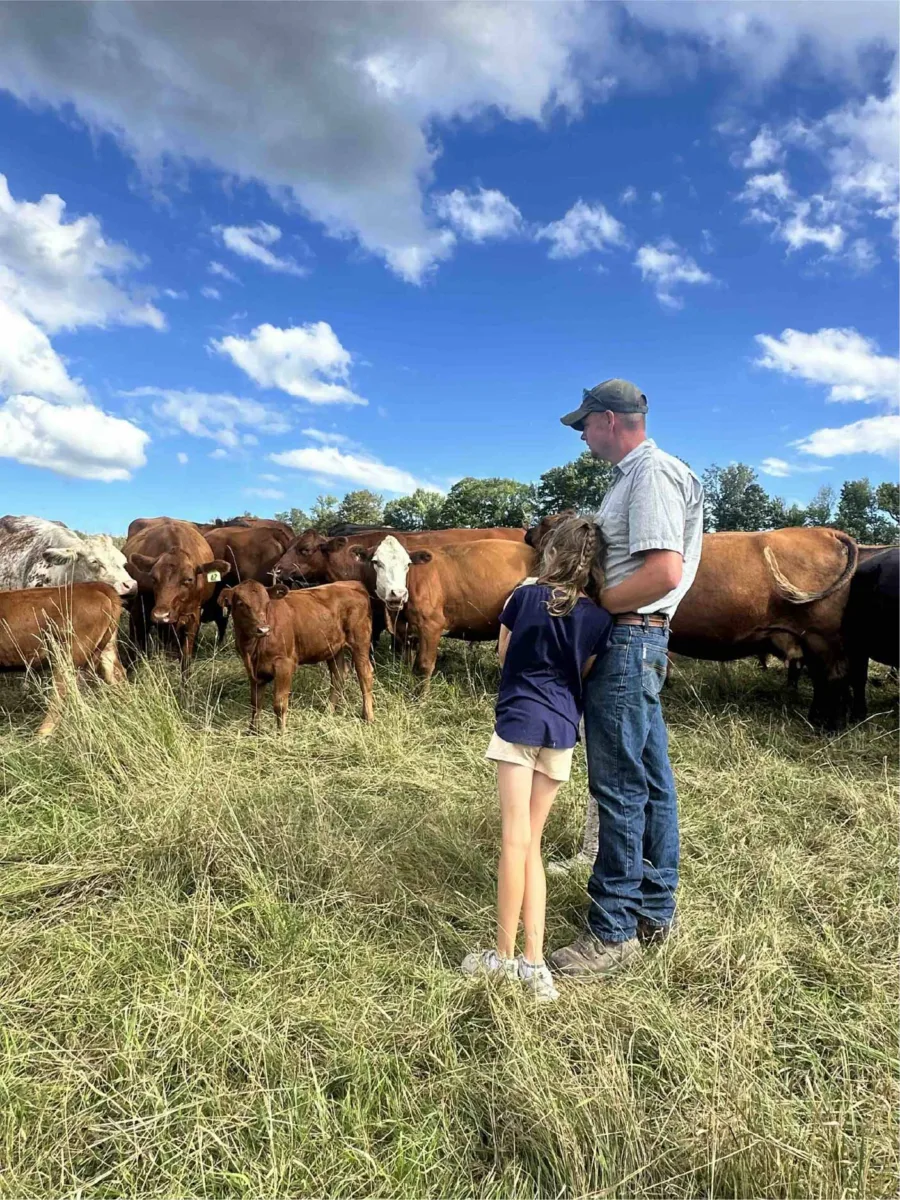
The runoff on these hills is, in Rob’s word, “insane“. They have never tilled much. They moved cattle around all winter, on different fields, because the ground used to stay frozen and animals could winter outside without tearing the soil up.
The last five or six years, the winters haven’t held. There has been Christmas Day at seventy degrees. There has been mud where there used to be hardpack. The way they used to work the cattle and the ground stopped working. They had to change.
A lot of farms on their road have been the same since the 1930s. Same fields, same machinery, same approach. Meg looks around and tells you, plainly, that those farms aren’t going to be there in another generation. Theirs is, because they kept changing.
This is what regenerative practice looks like at the level of an actual family farm. Not a slogan. Not a certification on a sticker. The willingness to admit the way that worked last year doesn’t work this year, and to figure out what does. They learned regenerative farming by doing it, in their words. School of hard knocks.
Two thousand hens on a regenerative farm
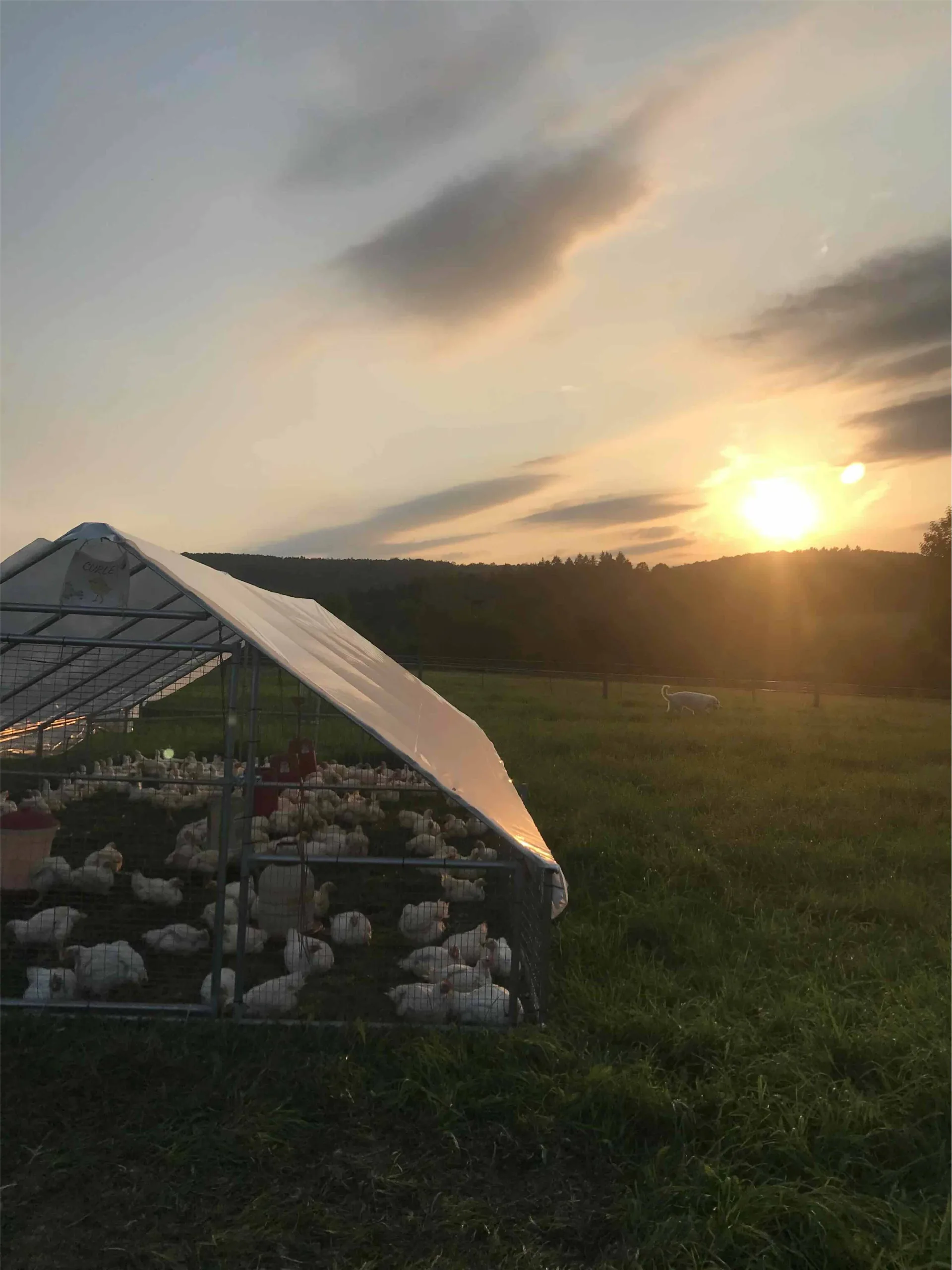
Walden buys two thousand dozen eggs from the Wilcoxes every two weeks. Two thousand laying hens. Pasture access. The whole family, including Rob’s mother, who is almost always in the barn, washes and packs them by hand. Meg stamps each carton with the date and a sticker that reads raised by the Wilcox family. Beth and K hand-candle. With a chicken under one arm.
Industrial eggs run on different math. To make a conventional egg operation pencil out, you need a hundred thousand birds. A hundred and fifty thousand. More. Below that, the per-egg margin doesn’t cover the work. Above that, the farm is no longer a farm. It’s a building with birds in it.
Walden pays a price for the Wilcoxes’ eggs, averaging 333% above commodity, across our regenerative farms, that lets two thousand birds, two parents, two daughters, and one grandmother be the whole operation. That price is what most people don’t see when they compare a dozen eggs at a grocery store to a dozen of ours. The grocery store dozen is cheap because the costs are paid somewhere else: by the soil, by the birds, by farmers.
Their relationship with Walden hasn’t always been smooth. When Walden’s growth flattened after the pandemic surge, the Wilcoxes’ production got cut, then cut again, then cut to zero for a stretch. Meg’s word for it was the kind of thing farmers say when they have already been through worse: it is what it is. That’s farming. The next time a Walden field manager came up to visit, the Wilcoxes were in the barn doing freezer inventory. He grabbed a box and started helping.
Meg has a line about all of this. She said: “We so appreciate that we can just be farmers for you guys. Put on the farmer hat. Keep it there.”
What the Wilcoxes want next
Asked what’s next, Rob said: financial stability, and to keep producing high-quality regenerative protein. Meg said: consistency, and for members to understand that when you support a small farm, when you support Walden, the farm feels it. When you don’t, the farm feels that, too.
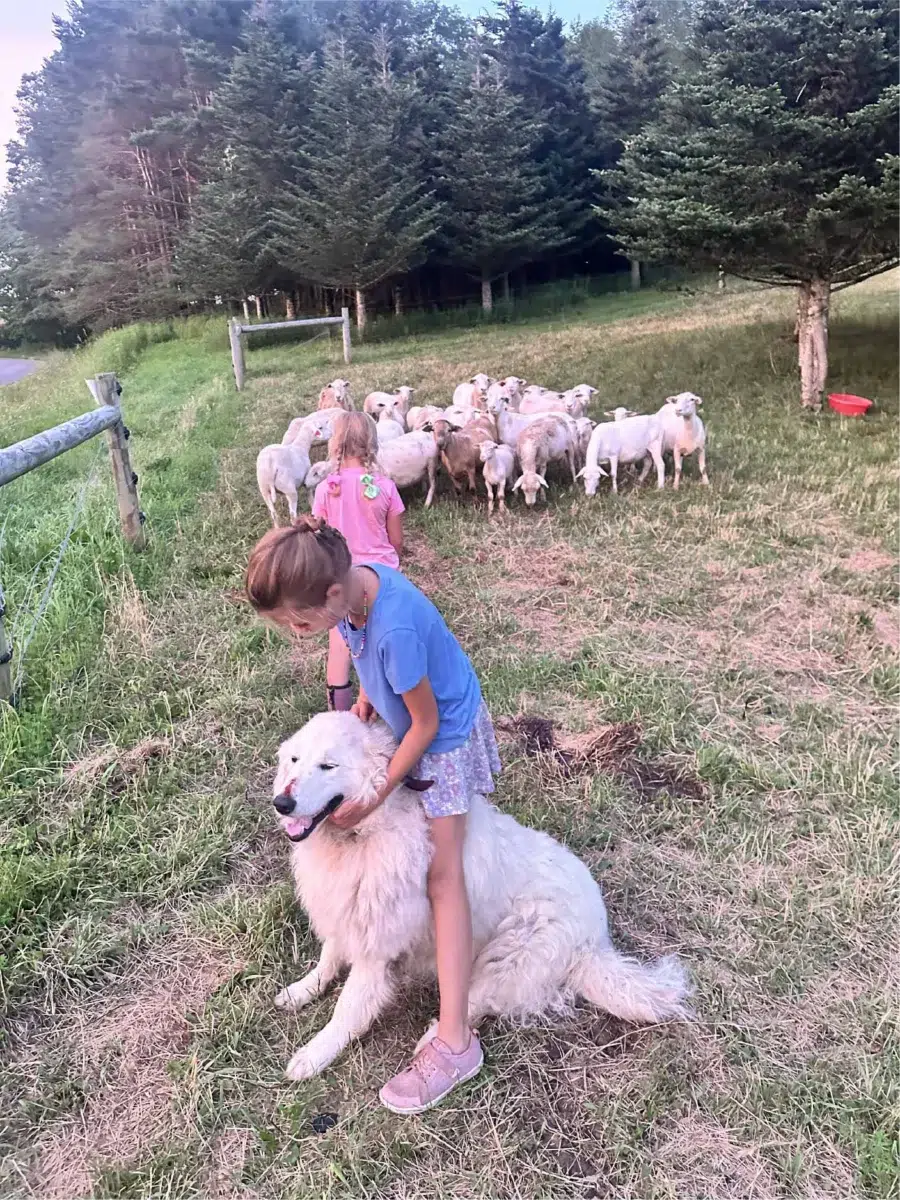
They want Wilcox Family Farm to be a multi-generational regenerative farm. Rob’s father started it. He and Megan want to hand it to their daughters. Both girls, eight and nine, say they want to do this forever. They have show animals, a steer or two, an a heifer, and they take them to fairs because that’s how you get a vacation when you have this many animals at home.
There are no sons to inherit the farm. Rob, when asked about succession, said: “future sons-in-law“. He sounded like he meant it.
The girls are homeschooled. Meg put it this way: “school is life.
They know the names of every hen”
Adapted from a conversation with Megan and Rob Wilcox of Wilcox Family Farm, Brookfield, New York. April 2026.
Related Posts
Walden Family Farmers: Riley Harrness
Riley’s awareness of regenerative agriculture is as long as his farming history. He recognized the need to respect the land to sustain its use. The Harness farm is located on the side of a mountain in Vermont, in a snow belt. Despite the challenges of farming, especially during a harsh winter, he is proud of his partnership with Walden to feed families and contribute to his local economy.
Our 2025 Impact Report
Walden Local’s 2025 Impact Report details how regenerative farming delivers real results—for farmers, land, animals, and families. In 2025, Walden supported over 24,000 households, managed more than 28,000 regenerative acres, paid farmers over 3× the commodity rate, donated 37,000+ pounds of food, and produced meat with significantly better nutrition. Read the full report to see how regenerative meat, farmer-first economics, and transparent standards are building a better food system.
Why Walden Members Matter—From a Farmer Who Lives This Every Day
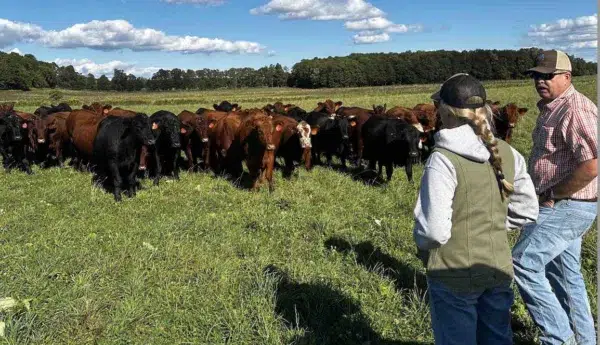
When farmers know that there is a market that will support regenerative production—not just philosophically, but economically—they are far more willing to step away from systems that no longer serve them or the land. When consumers consistently choose food that reflects their values, they help make those transitions possible.