Why Walden Members Matter—From a Farmer Who Lives This Every Day
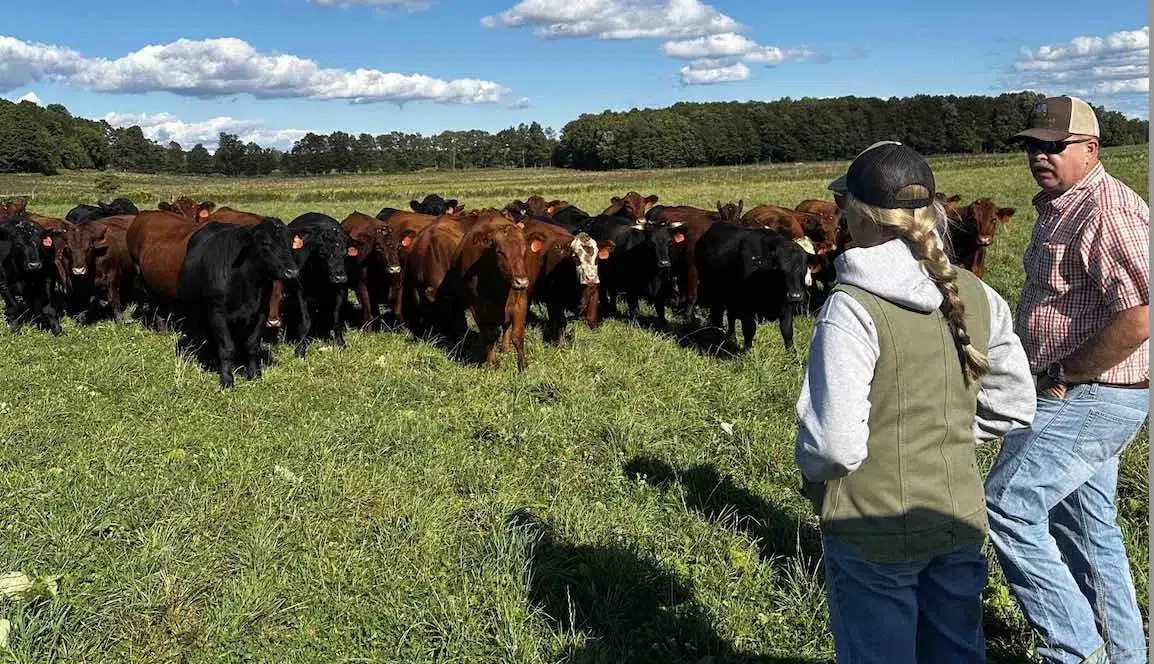
An essay by Adam Grady,
Walden Farmer, Kenansville, NC
I make my living farming.
I also spend much of my time working alongside other farmers as an independent regenerative agriculture consultant—helping them learn, transition, and build systems that are economically viable, environmentally resilient, and socially grounded. I see the realities of farming today from both sides, and I can tell you plainly: this is not easy work, and it has never mattered more.
Farming today is shaped by constant pressure.
Economically, margins are tight and inputs are expensive—land, labor, feed, fuel, infrastructure.
Environmentally, farmers are navigating increasingly unpredictable weather and degraded soils left behind by decades of extractive practices.
Socially, there is pressure to produce food that meets higher expectations around animal welfare, transparency, and environmental care, often without the support needed to make those expectations realistic.
Many farmers feel stuck in systems they didn’t design and no longer believe in—but feel unable to leave.
Conventional supply chains reward scale and speed, not stewardship. They demand consistency at the expense of resilience and push risk down onto the farmer while capturing most of the value further up the chain. I hear it constantly from producers I work with: “I want to do better—but I can’t afford to fail.”
This is exactly why regenerative agriculture matters.
Regenerative agriculture isn’t a marketing term to me—it’s a practical response to the challenges farmers face. I’ve seen it work on my own farm, and I’ve seen it work on farms across all regions and production types. When farmers prioritize soil health, managed grazing, diverse pastures, and systems that cooperate with nature rather than overpower it, the results are real.
Healthy soils retain water during drought and recover faster after heavy rain. Well-managed pasture systems reduce reliance on purchased inputs. Livestock raised in regenerative systems express natural behaviors while contributing to soil fertility and ecosystem function. Over time, these farms become more resilient—economically and ecologically.
But regenerative agriculture is not free. Transitioning requires knowledge, planning, time, and financial breathing room. Farmers take on risk when they step away from conventional systems, and without real market support, that risk can be overwhelming.
That’s why organizations like Walden Local Meats are so important.
In most conventional meat markets, farmers receive only a small fraction of the consumer food dollar. The rest is absorbed by layers of processing, distribution, and marketing that are far removed from the farm.
In those systems, it’s nearly impossible for farmers to invest in regenerative practices and remain economically stable.
Walden operates differently. By shortening the supply chain and building direct, transparent relationships with farmers, Walden returns three to four times more of every dollar you spend back to the farm compared to conventional marketing channels. As a farmer, that difference is profound.
That additional support shows up in better animal care, better grazing management, improved infrastructure, and healthier land. It gives farmers the ability to think beyond the next payment or the next crisis and instead invest in systems that will sustain them—and their communities—for the long term.
Just as importantly, it gives farmers confidence.
Confidence that the work they’re doing matters. Confidence that they are not alone in choosing a different path. Confidence that there is a community of eaters who understand that good food doesn’t come from shortcuts—it comes from care, patience, and commitment.
I believe deeply in regenerative agriculture. I also know, from experience, that belief alone will not create change. A true paradigm shift requires alignment—between farmers, organizations like Walden, and consumers like you.
When farmers know that there is a market that will support regenerative production—not just philosophically, but economically—they are far more willing to step away from systems that no longer serve them or the land. When consumers consistently choose food that reflects their values, they help make those transitions possible.
Together, we can demonstrate something powerful.
We can show our local communities, our region, and even the broader food system that farmers are eager to break free from conventional production models—but they need to know they won’t be left behind when they do.
Every purchase you make through Walden sends a clear message to farmers like me:
We see the work.
We value the effort.
Keep going.
That support doesn’t just sustain individual farms—it helps build the regenerative food system so many of us know is possible.
Related Posts
Walden Family Farmers: Riley Harrness
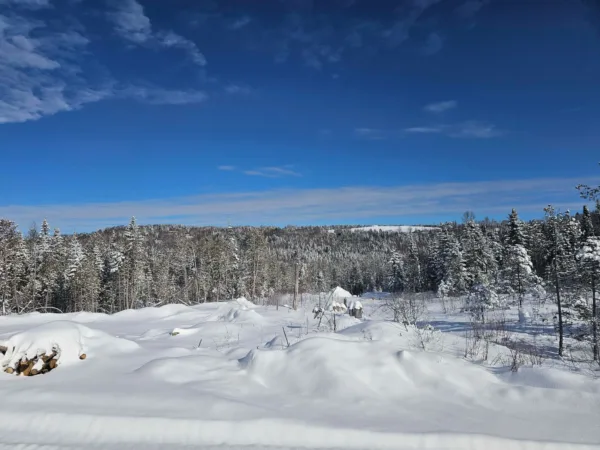
Riley’s awareness of regenerative agriculture is as long as his farming history. He recognized the need to respect the land to sustain its use. The Harness farm is located on the side of a mountain in Vermont, in a snow belt. Despite the challenges of farming, especially during a harsh winter, he is proud of his partnership with Walden to feed families and contribute to his local economy.
Our 2025 Impact Report
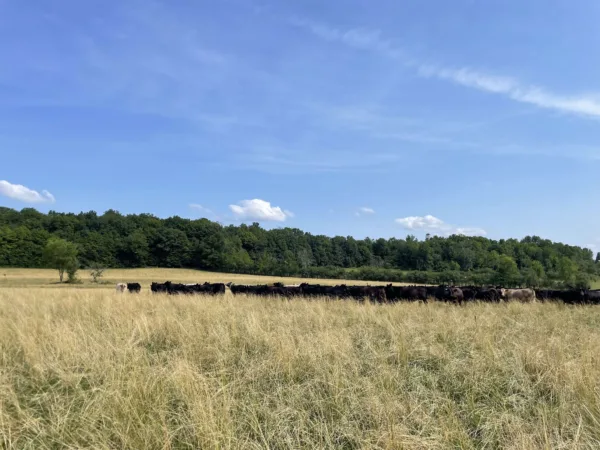
Walden Local’s 2025 Impact Report details how regenerative farming delivers real results—for farmers, land, animals, and families. In 2025, Walden supported over 24,000 households, managed more than 28,000 regenerative acres, paid farmers over 3× the commodity rate, donated 37,000+ pounds of food, and produced meat with significantly better nutrition. Read the full report to see how regenerative meat, farmer-first economics, and transparent standards are building a better food system.

Grass-Fed Classic Eggnog
A rich and creamy eggnog made with Walden’s milk and eggs.