Season, Smoke, Sauce, Sear – Cookout Season Is Here
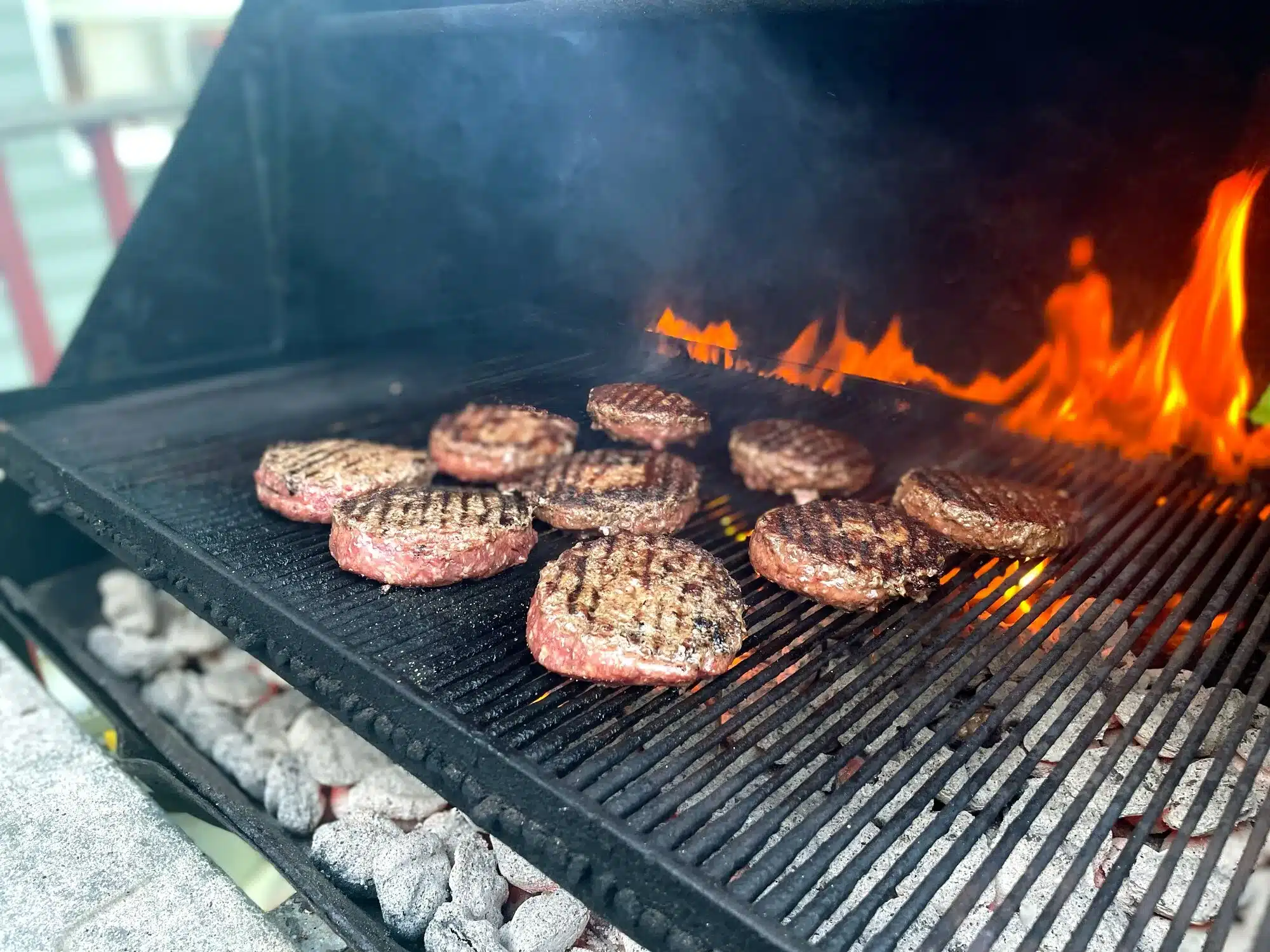
You ever wonder how your favorite barbecue joint cooks chicken so precisely that the seasoning and spice explodes in your mouth, but still remains amazingly rich and juicy? Or what kind of dark magic pit-masters conjure in order to make a solid slab of ribs “fall off the bone” tender? Or how steakhouses achieve the perfect sear and crust on the outside of your ribeye?
Some ancient secrets may have been buried long ago, but science is evergreen! With summer cookouts in full swing, we wanted to share a few fun facts about the science of fire, smoke, heat, and meat to help feed your body – and your brain!
For outdoor cooking, it comes down to grilling, barbecuing, and smoking. Grilling is most common, but even that comes in many forms. Whether you’re using briquettes, propane, lump charcoal, or wood, the key is using high heat and getting the sear just right. The flavors from this style of cooking rely on the Maillard reaction. What’s Maillard you might ask? (Grabs chemistry text book and whiteboard) It’s a complex set of chemical reactions that occur when proteins and sugars in and on food are transformed by heat, producing new flavors, aromas, colors, and textures. It gives foods the rich, roasty, toasty flavors we find irresistible.
Barbecuing, however, takes a different approach. It applies the “low and slow” philosophy (low heat, slow cooking) to preparing meat (similar to braising). This is most critical for cuts more commonly considered “tough” due to more connective tissue found in heavily exercised muscles. Barbecuing temperatures range from 190-275°F with cooking lasting anywhere from 4-6 hours to over 24 hours for cuts like a full beef brisket! Over that time, the numerous connective protein chains found in meat break down and melt – instead of tightening as they do when heated quickly. The fat also liquifies through a process called rendering, which keeps your meat juicy and tender. All together, it gives barbecue not only a unique flavor, but a unique texture. Add in the complexifying element of wood smoke as the heat source and you’ve opened an entirely new world of flavor.
So if you’ve got a potluck coming up, a graduation, a retirement party – leave the potato salad at home and try something new! Impress your friends and family by showing up with a day-long, smoked brisket or a sweet and spicy barbecue chicken. And if you’ve got lots of mouths to feed for this year’s family reunion, it never hurts to throw a hundred Walden Local hot dogs on the grill!
However you choose to enjoy it, we wish you a fun-filled summer sharing delicious Walden meats with all your loved ones!
See our grill ready specials here!
—All of us at Walden
Related Posts

Walden Family Farmers: Meg and Rob Wilcox
See inside Wilcox Family Farm, a multi-generational regenerative farm in Brookfield, NY, and learn why supporting small farms matters.

Need Better Protein? Here’s Why Walden’s is Different.
This is about building something better—for the land, for farmers, for communities, and for the future.
Walden Family Farmers: Riley Harrness
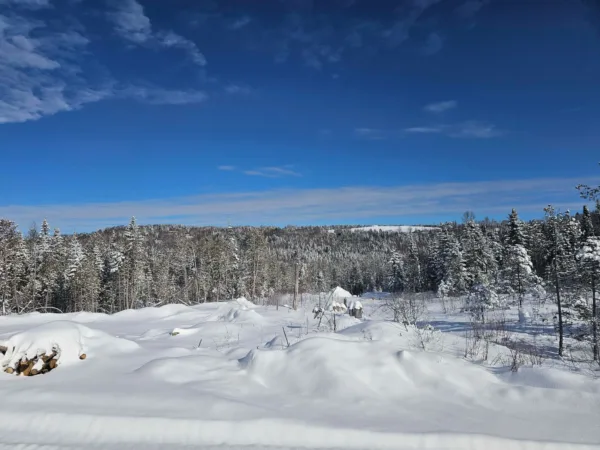
Riley’s awareness of regenerative agriculture is as long as his farming history. He recognized the need to respect the land to sustain its use. The Harness farm is located on the side of a mountain in Vermont, in a snow belt. Despite the challenges of farming, especially during a harsh winter, he is proud of his partnership with Walden to feed families and contribute to his local economy.