Dry Aging: What It Is and Why We Think It’s Important
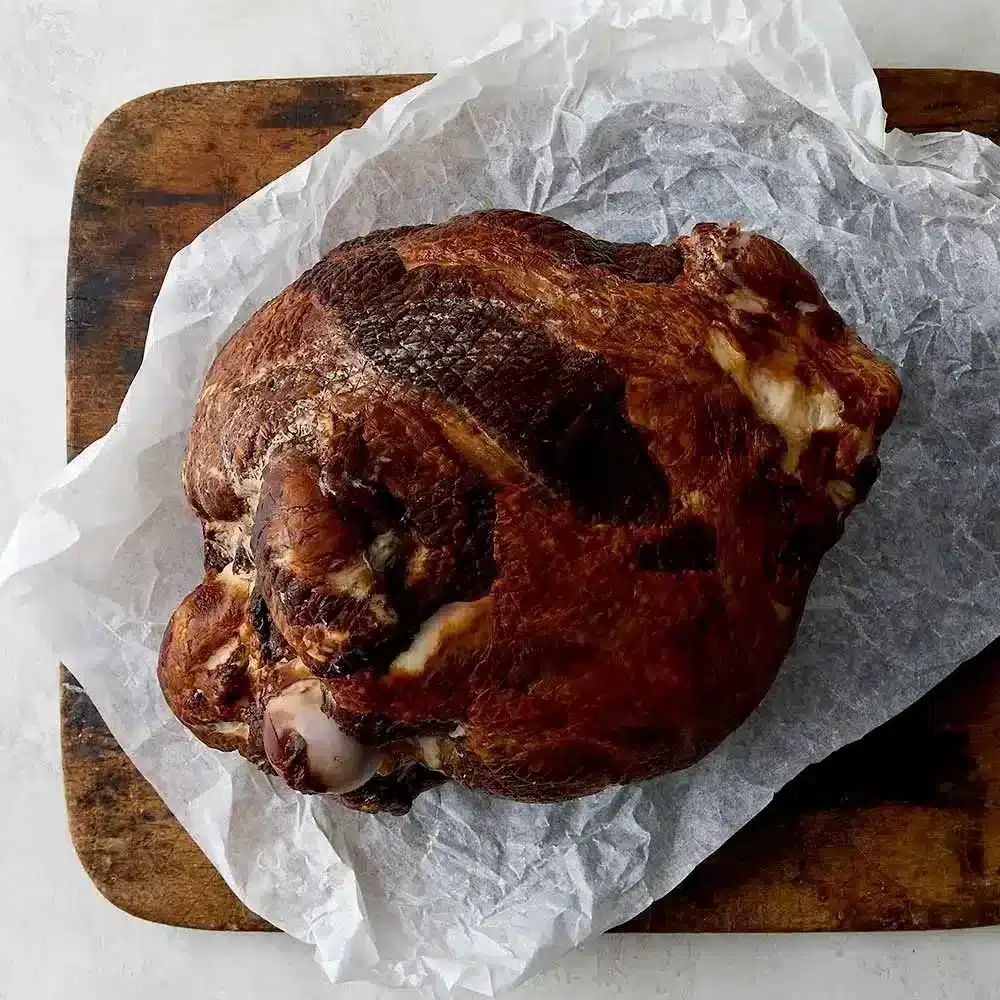
Dry-aging beef is essentially allowing whole or primal cuts of beef to hang in a humidity controlled environment with a constant flow of air in temperatures between 34-36 degrees for 10 to as many as 45 days.
Why do this? There are three main benefits to dry aging:
- Concentration of flavor as moisture is lost. This can also cause substantial weight loss due to decrease in water volume, which is why dry-aged beef can be more expensive.
- Tenderization as enzymes break down tougher muscles and connective tissues.
- Increased flavor complexity as fat begins to oxidize and multiple enzymatic and bacterial actions occur. Similar to what happens with wine or cheese, flavors that develop can be nutty, full of umami, and sometimes almost “funky”.
The truth is that all beef must be aged for a minimum of 4-5 days. Eating beef immediately would yield a tough, leathery meat with little flavor. For centuries butchers and hunters have known that aged meats yield tender and flavorful cuts.
What about “wet-aging“? Wet-aging became popular when plastics started to play a larger role in how our food is packaged. After being cut almost immediately, beef is “aged” in a vacuum-sealed plastic bag while in transport. Because wet-aging requires less area to store inventory and results in almost no moisture loss, there is significant cost savings over traditional dry aging to industrial producers. We think there is almost no flavor benefit, and under-aged / wet-aged meat tends to have a highly metallic flavor.
Aging grass-fed beef adds another layer of complexity. Because grass-fed beef is higher in linolenic acid and the good omega-3 fats, it oxidizes and ages much differently. If you have ever had a tough, leathery piece of highly metallic flavored grass-fed beef, it was probably under-aged. On the other hand if you ever have had a piece of grass-fed beef that had an intense gamey flavor, it may have been aged for too long.
We dry-age our grass-fed beef for 10-15 days, which results in what we believe to be the right balance of flavor development and tenderization. Our customers tell us that our beef tends to have less of a metallic taste and more of a savory, earthy, and nutty flavor.
As this is only our humble opinion, we invite you to try for yourself!
Related Posts
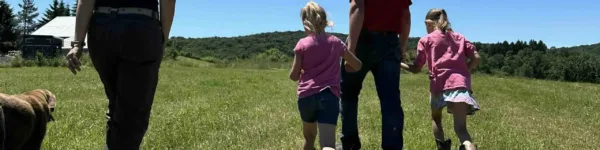
Walden Family Farmers: Meg and Rob Wilcox
See inside Wilcox Family Farm, a multi-generational regenerative farm in Brookfield, NY, and learn why supporting small farms matters.
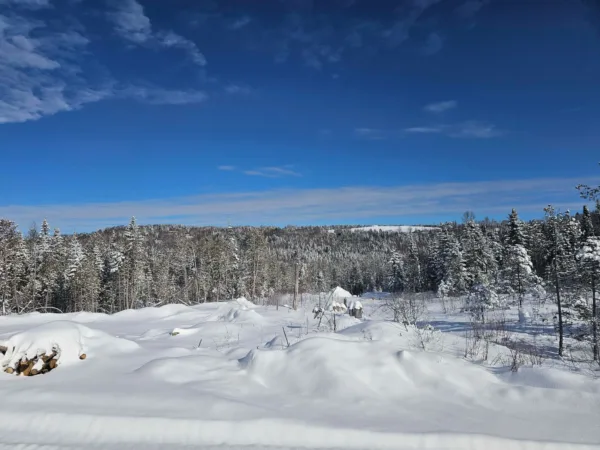
Walden Family Farmers: Riley Harrness
Riley’s awareness of regenerative agriculture is as long as his farming history. He recognized the need to respect the land to sustain its use. The Harness farm is located on the side of a mountain in Vermont, in a snow belt. Despite the challenges of farming, especially during a harsh winter, he is proud of his partnership with Walden to feed families and contribute to his local economy.
Our 2025 Impact Report
Walden Local’s 2025 Impact Report details how regenerative farming delivers real results—for farmers, land, animals, and families. In 2025, Walden supported over 24,000 households, managed more than 28,000 regenerative acres, paid farmers over 3× the commodity rate, donated 37,000+ pounds of food, and produced meat with significantly better nutrition. Read the full report to see how regenerative meat, farmer-first economics, and transparent standards are building a better food system.