The Chicken That Turns Back Time
Walden’s New Heritage Chicken is Here!
“These chickens are more active, healthier, and beautiful than all other breeds.”
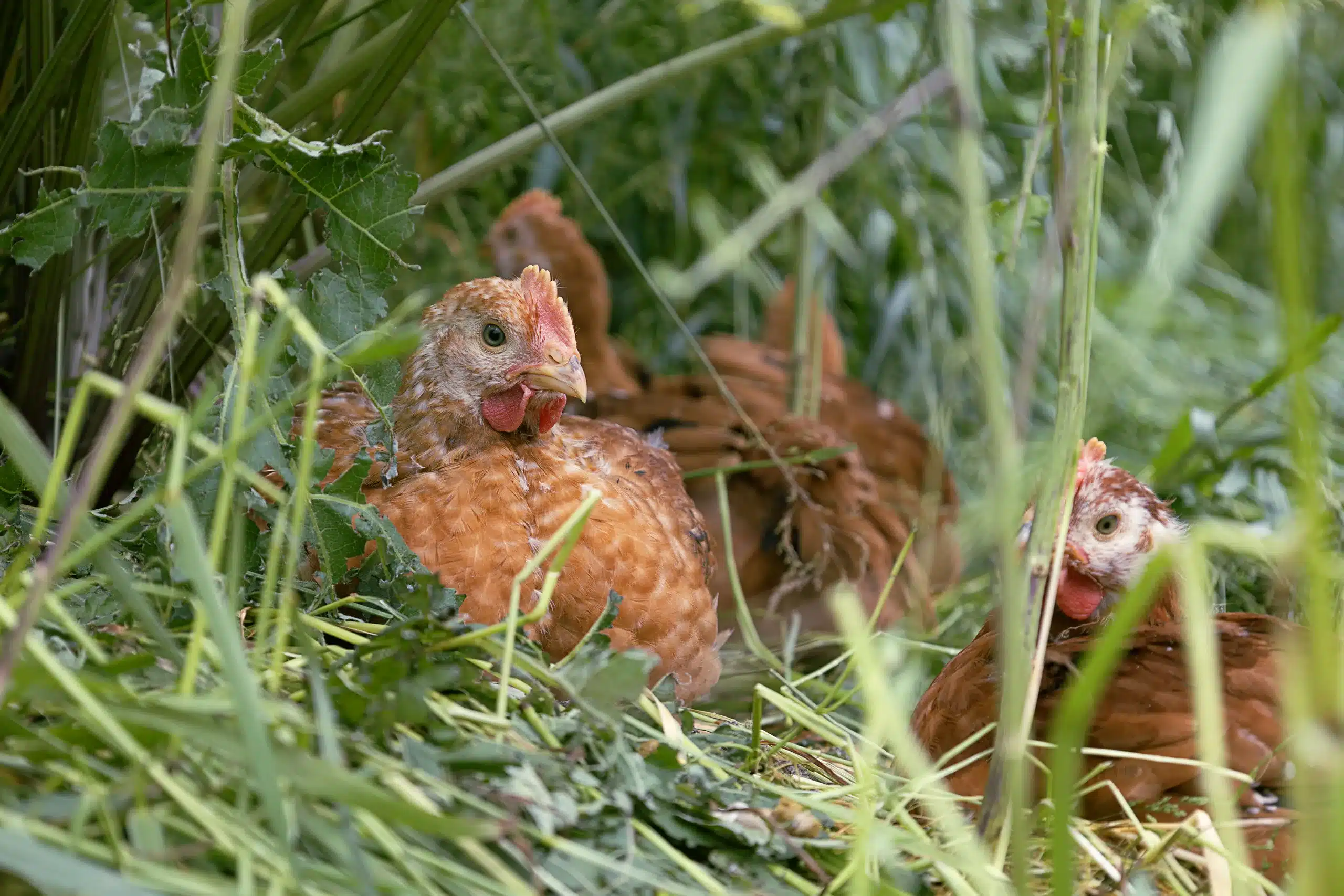
That’s what John Lapp says about his La Belle Rouge chickens, slow-growing heritage birds he’s been raising on his family farm in Ephrata, Pennsylvania.
Amongst rolling hills, these birds live a life worth clucking about.
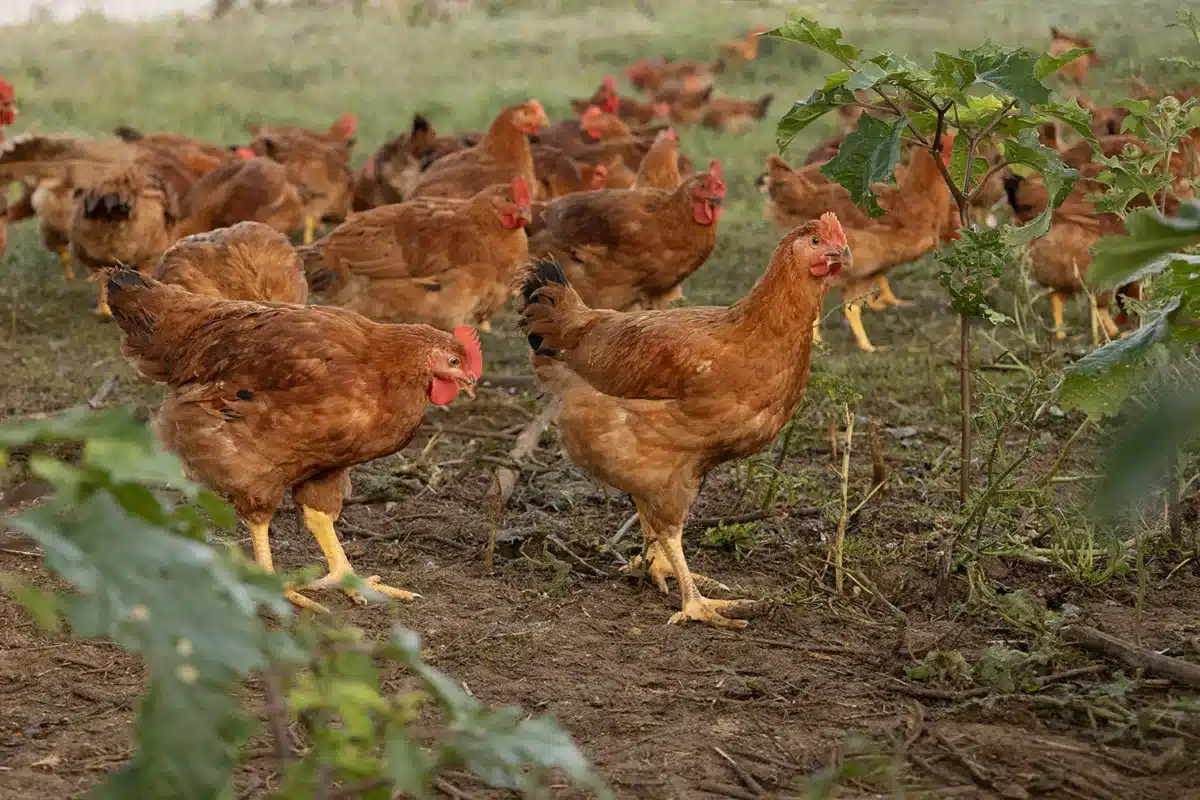
Stationary coops provide a cozy home base, while vast pastures invite them to scratch, peck, and bask in the sun. Bugs, seeds, and all the pasture goodies add to their diet, while locally sourced feed supports the surrounding community. It’s a small, regenerative ecosystem where everything works in harmony.
Going back to go forward
Independent family poultry farmers like John Lapp and Mike Charles spend every day answering a simple question: “what if chicken could taste the way it used to—back when flavor mattered, chickens roamed, and farming meant working with nature instead of against it?”
That’s the promise of Walden’s new heritage chicken. Raised on farms like John and Mike’s in Pennsylvania, this bird isn’t just better—it’s a return to what chicken was always meant to be.
The Heritage Difference
🕐 Slow-grown
Our chickens are raised for 70 days—nearly double the 37-40 days of conventional birds.
🥶 Air-chilled, not waterlogged
No chlorine baths here—just pure chicken with no added water weight.
🚜 From small family farms
Raised by dedicated farmers using feed grown right in their own communities.
🍃 Regeneratively raised
Our chickens roam on managed pastures, with farm waste composted to enrich the soil for future harvests.
🐓 French heritage breed
Raised to meet the esteemed ‘La Belle Rouge’ standards for exceptional quality.
🚫 No shortcuts
Antibiotic-free, with no animal by-products in their feed—ever.
☀️ Richer skin color
Pasture-raised and a diet of feed, grass and insects, for higher vitamin D and healthy color
Compare that to the nearly 99% of American chickens that are raised in conventional chicken houses — rarely seeing a ray of daylight and cramped in spaces where they’re unable to roam and express their natural behaviors.

Why It Matters
Raised on pasture, our heritage chickens enjoy sunshine, fresh air, and a diet of bugs and grass, plus locally sourced grain. This lifestyle produces a happier, healthier bird, with vibrant skin color and flavor you won’t find in a factory-farmed alternative.
But this isn’t just a better chicken—it’s a better way forward.
Regenerative farming practices heal the land while supporting independent family farmers. Every bite you take supports a system prioritizing animal welfare, soil health, and community resilience.
Join our revival of heritage chicken
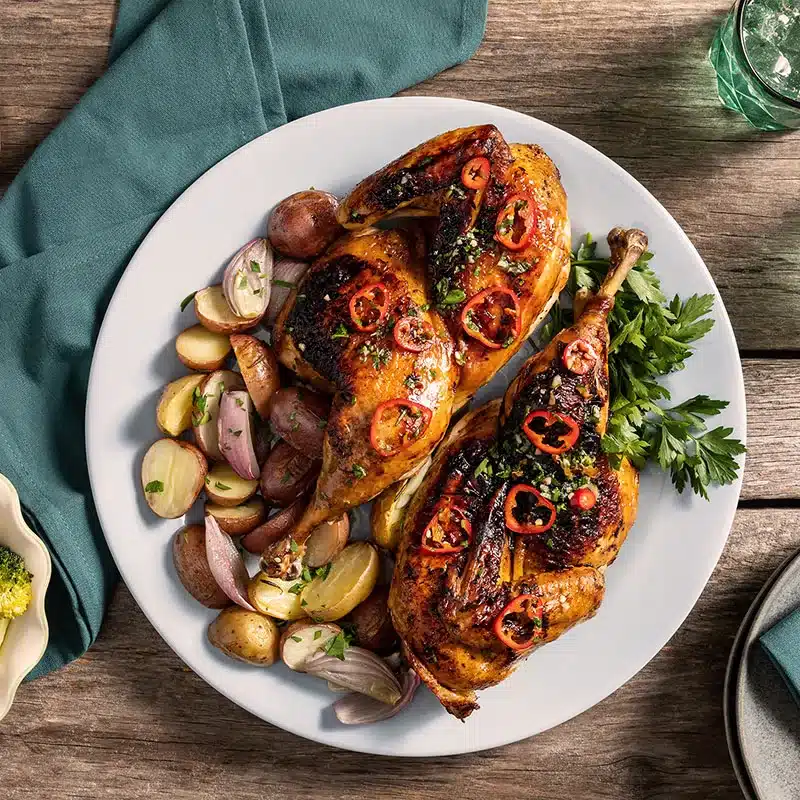
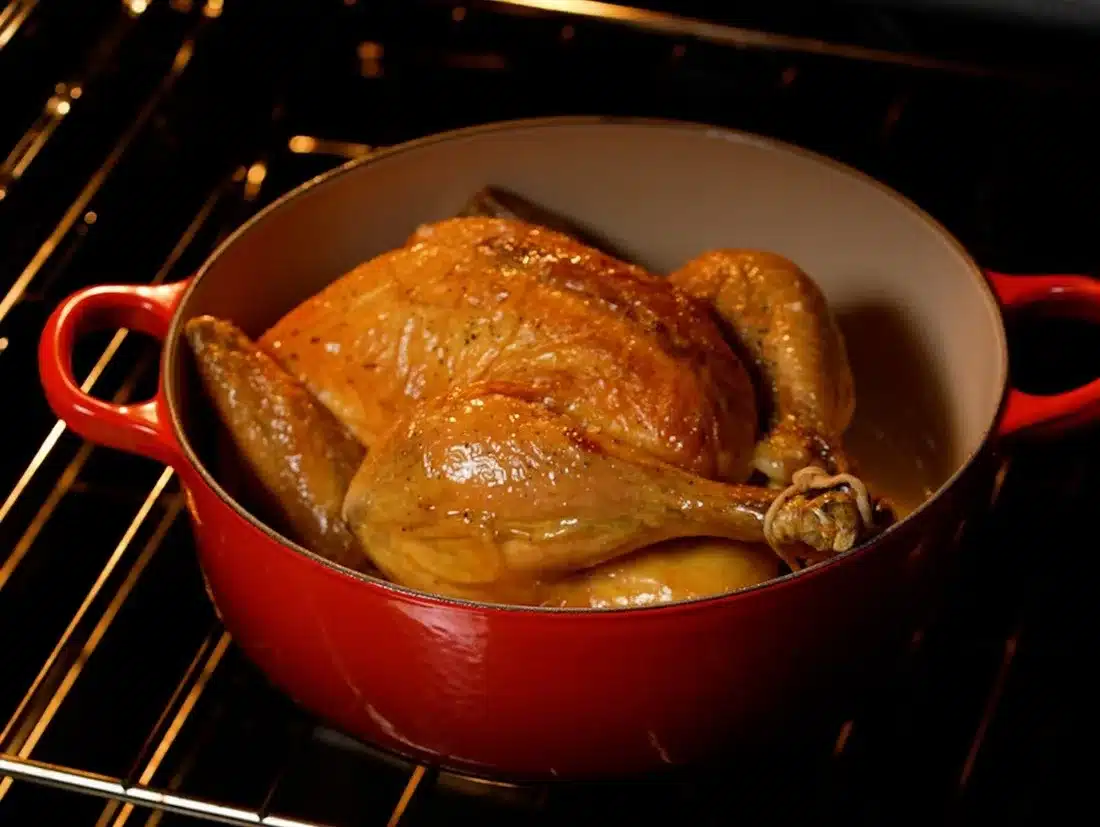
Walden heritage chicken is available as a whole bird, or a split half—perfect for a quiet dinner or that family member who somehow never gets full. Whether roasted, braised, or grilled, every bite will take you back to a time when chicken actually tasted like… chicken.
Because good things take time. And this chicken is worth every second.
Related Posts
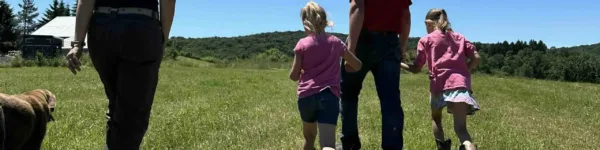
Walden Family Farmers: Meg and Rob Wilcox
See inside Wilcox Family Farm, a multi-generational regenerative farm in Brookfield, NY, and learn why supporting small farms matters.
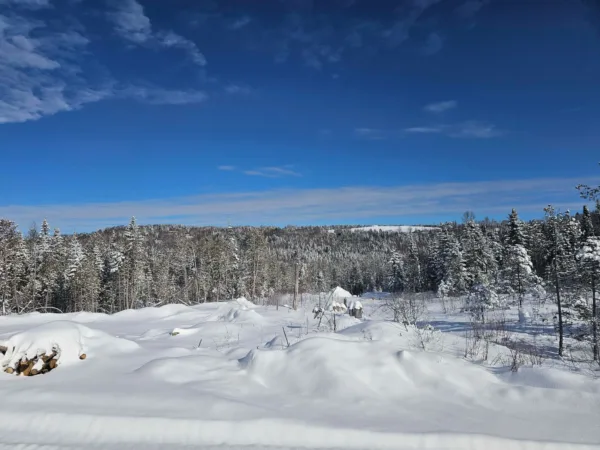
Walden Family Farmers: Riley Harrness
Riley’s awareness of regenerative agriculture is as long as his farming history. He recognized the need to respect the land to sustain its use. The Harness farm is located on the side of a mountain in Vermont, in a snow belt. Despite the challenges of farming, especially during a harsh winter, he is proud of his partnership with Walden to feed families and contribute to his local economy.
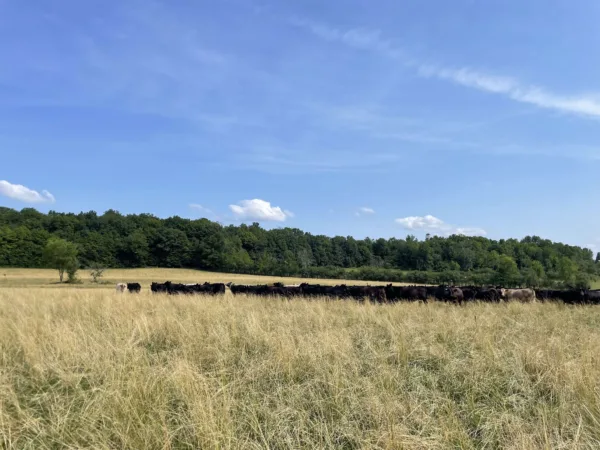
Our 2025 Impact Report
Walden Local’s 2025 Impact Report details how regenerative farming delivers real results—for farmers, land, animals, and families. In 2025, Walden supported over 24,000 households, managed more than 28,000 regenerative acres, paid farmers over 3× the commodity rate, donated 37,000+ pounds of food, and produced meat with significantly better nutrition. Read the full report to see how regenerative meat, farmer-first economics, and transparent standards are building a better food system.