Behind the Scenes with Walden’s Own Candlemaker
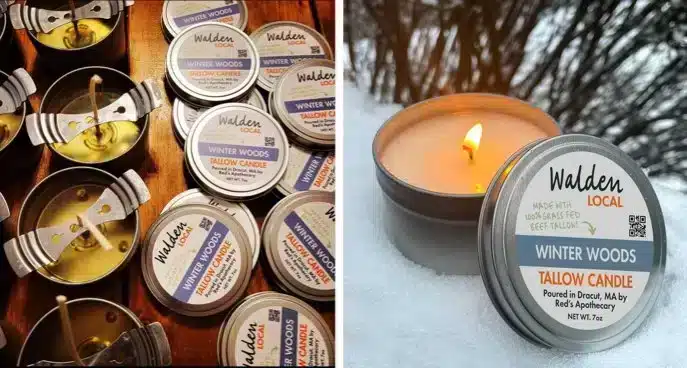
“What distinguishes a candle from other lights is that it appeals to our soul, not our eyes!” – Mehmet Murat İldan
If you’ve been one of the lucky members to snag one of Walden’s beef tallow candles, you’ll know that the seasonal scents and clean burn make these candles a delight to have. Our candles are made with our own 100% grass-fed beef tallow by our Road Operations Manager, Red.

Can you give us some insight into your background? How did you first become interested in candle making?
I studied Marketing and Management in college and worked in Retail until transitioning to Logistics and Operations 6 years ago. I’ve always needed to have a creative outlet. I like personalizing our home with fragrance but it can be so expensive to find quality candles with great scents. Several years ago I found a basil lime candle at a craft fair that was the most amazing scent I’d ever tried but to purchase 3 would have been over $80. On the way home I ordered supplies to try to make my own candles and immediately loved the process. After 2 years of giving them away my boyfriend, Craig, encouraged me to sell them. I posted them on social media and they sold out in a day. Just before I started working for Walden I created the website and that’s the moment it became Red’s Apothecary. The goal is high quality low cost candles with a simple design and very real/natural scents. The fruit and herb mixtures are my favorites.
What attracts you to making beef tallow candles?
I like seeing the entire loop from suet to tallow to candles that are packed and delivered by my teams. The tallow is made from suet which is a part of the animal not normally 100% used. Healthy Porcupine renders the suet into tallow for me. I really enjoy that I’m creating a product our members can enjoy while helping to use 100% of the animal.

What’s different about beef tallow candles?
Our home smells like hamburgers when I’m melting the tallow. Since it is fat it has more inconsistencies in the finished product and there’s usually bubbles around the edges while burning. There can be a slight fatty smell added to the scents but that decreases the longer they cure.
How do you get inspired to create the scents?
Inspiration comes from so many places. Strawberry Tomato is the scent of a soap I bought on a trip. Mexican Mocha is my usual order at my favorite coffee shop. Some scents were special requests from customers like Coconut Beach and Fraser Fir. The best is when I just pull out all the different fragrances I have and start trying combinations. I’ll have no idea what I’m trying to make but sometimes there’s a mix that smells like nothing I’ve ever tried before. This was how I created Citrus and Cypress.

Where do you make them?
In our home in Dracut, MA. My workshop is a small bedroom we converted off of our kitchen that I use to store everything. When I’m pouring I also use our dining table.

Where do you find support when trying to find a balance between creativity and business?
The creative part of candle making is usually the easier part for me to jump into at any time. I definitely have to be aware of how I’m feeling to decide what type of task I’m going to tackle.. There are days I’m trying to find a new scent combo or total my monthly expenses and if I’m struggling I’ll stop and wait a day or two to revisit it. For the markets I do I get help from Craig and my sister.
Related Posts
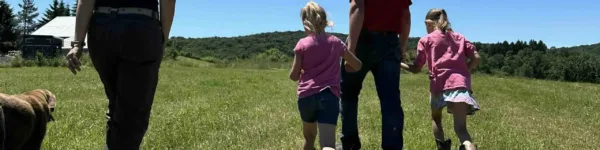
Walden Family Farmers: Meg and Rob Wilcox
See inside Wilcox Family Farm, a multi-generational regenerative farm in Brookfield, NY, and learn why supporting small farms matters.
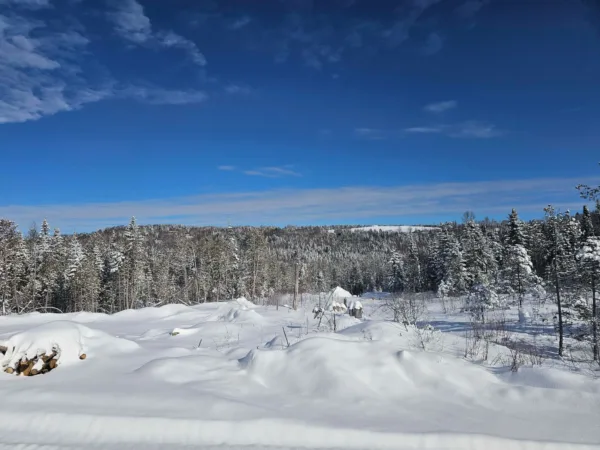
Walden Family Farmers: Riley Harrness
Riley’s awareness of regenerative agriculture is as long as his farming history. He recognized the need to respect the land to sustain its use. The Harness farm is located on the side of a mountain in Vermont, in a snow belt. Despite the challenges of farming, especially during a harsh winter, he is proud of his partnership with Walden to feed families and contribute to his local economy.
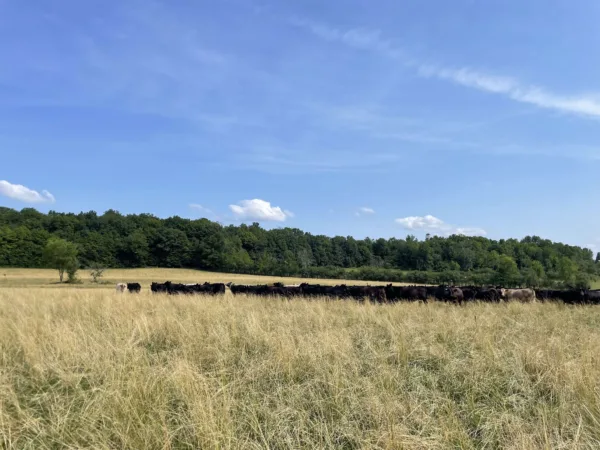
Our 2025 Impact Report
Walden Local’s 2025 Impact Report details how regenerative farming delivers real results—for farmers, land, animals, and families. In 2025, Walden supported over 24,000 households, managed more than 28,000 regenerative acres, paid farmers over 3× the commodity rate, donated 37,000+ pounds of food, and produced meat with significantly better nutrition. Read the full report to see how regenerative meat, farmer-first economics, and transparent standards are building a better food system.