When ‘Cooking at Home’ Is Not Really ‘Home Cooking
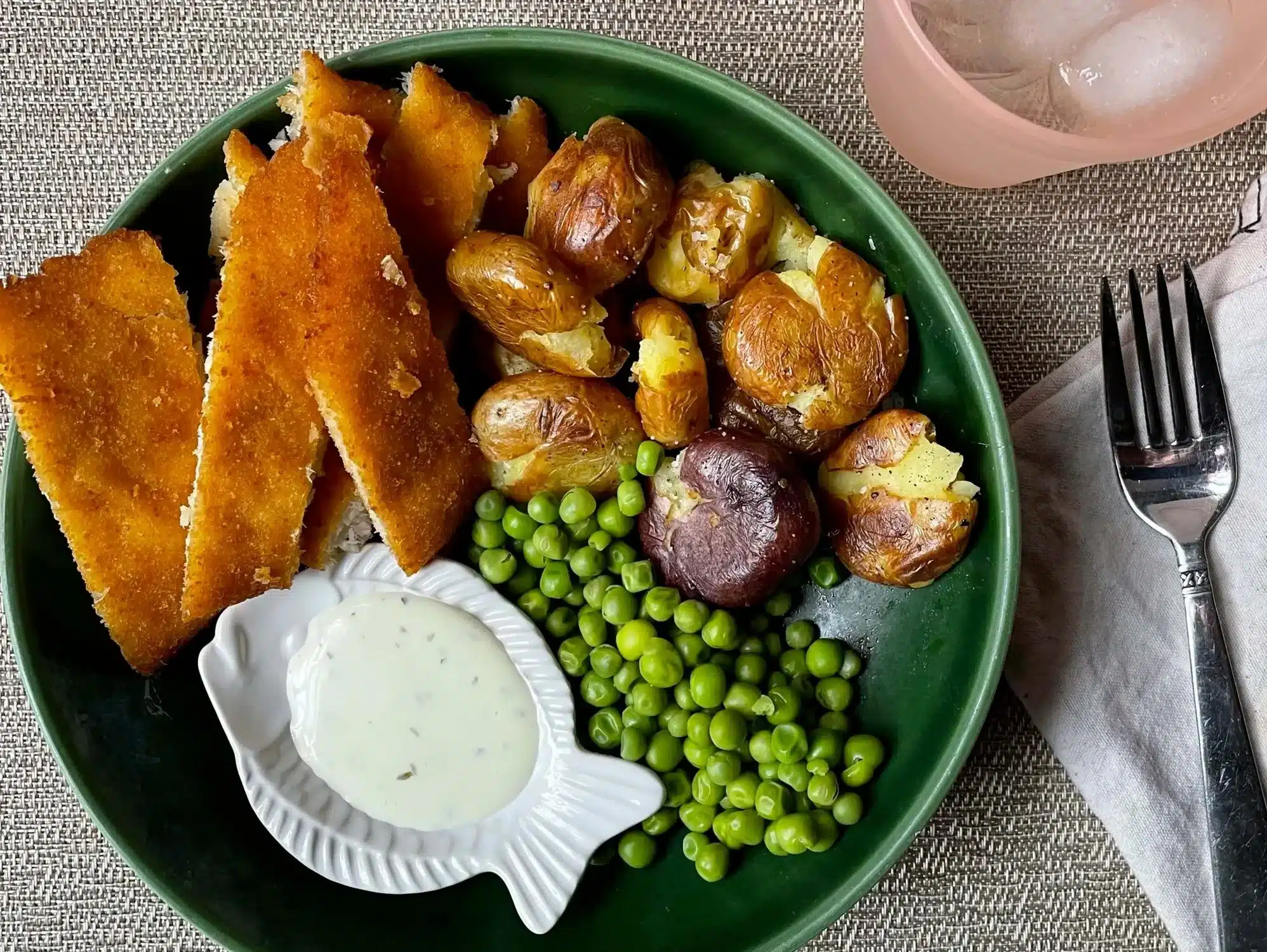
When a Walden package arrives at your doorstep, we hope it’s an inspiration – Meat that will be a foundation for your meal and bond you to a community that shares our commitment to sustainable and healthy animals, soils, and food.
Many recent articles have touched on our generation’s complicated relationship with cooking. Although some studies show we are spending less on food away from home, we may also be altering our definition of home cooking.
Many companies will now deliver prepared meals or ingredients through the mail. Although these certainly facilitate home cooking and may be a great option for families that regularly eat take-out, sometimes it feels as though this is the 2000s version of the TV-dinner (although not priced like a TV-dinner!).
These meals are largely already done for you and offer only a kindergarten version of cooking. In her review of a meal kit experience, Elizabeth Segran jokes about her love of MasterChef. When she recalls “assembling” her meal kit, she puts on the final touches and presents it to her husband with the “earnestness” of a MasterChef contestant. Segran quickly feels a certain emptiness and wonders, “Did I really cook this? Or did I just assemble it? Would I be able to replicate that meal without the help of the meal kit? Can you credibly claim to be a good cook if you cannot locate ingredients in a grocery store or know how to combine them on your own?”
Nick Bilton of the New York Times arrives at a similar conclusion when testing various meal kits. Opening piles of bags of precooked veggies and squirting processed egg mixture out of a tube, his 4 minute meal feels more like take-out than home cooking.
As with all skills, we feel real learning comes from unexpected successes and failures—kitchen experiences that only come from taking your own small steps and creative leaps with the best ingredients. Walden packages can help you color outside the lines. We’re striving to find the middle ground between MasterChef and “just add water!”
Related Posts
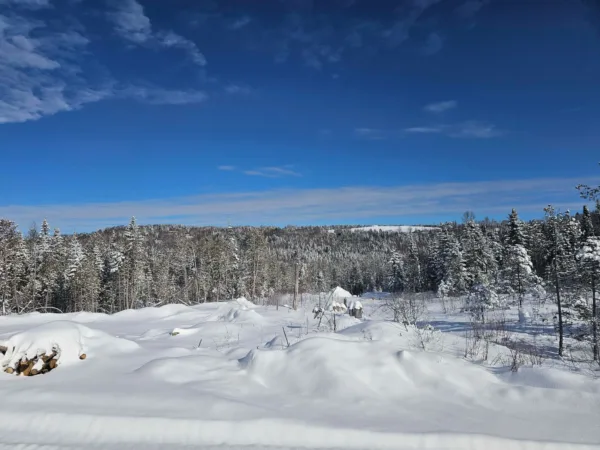
Walden Family Farmers: Riley Harrness
Riley’s awareness of regenerative agriculture is as long as his farming history. He recognized the need to respect the land to sustain its use. The Harness farm is located on the side of a mountain in Vermont, in a snow belt. Despite the challenges of farming, especially during a harsh winter, he is proud of his partnership with Walden to feed families and contribute to his local economy.
Our 2025 Impact Report
Walden Local’s 2025 Impact Report details how regenerative farming delivers real results—for farmers, land, animals, and families. In 2025, Walden supported over 24,000 households, managed more than 28,000 regenerative acres, paid farmers over 3× the commodity rate, donated 37,000+ pounds of food, and produced meat with significantly better nutrition. Read the full report to see how regenerative meat, farmer-first economics, and transparent standards are building a better food system.
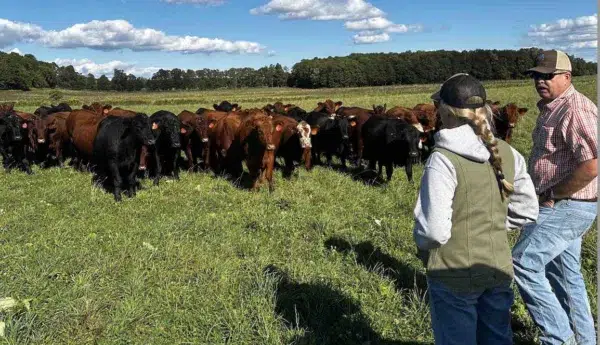
Why Walden Members Matter—From a Farmer Who Lives This Every Day
When farmers know that there is a market that will support regenerative production—not just philosophically, but economically—they are far more willing to step away from systems that no longer serve them or the land. When consumers consistently choose food that reflects their values, they help make those transitions possible.