Walden Family Farmers: Riley Harrness
Not a typical regenerative farming journey
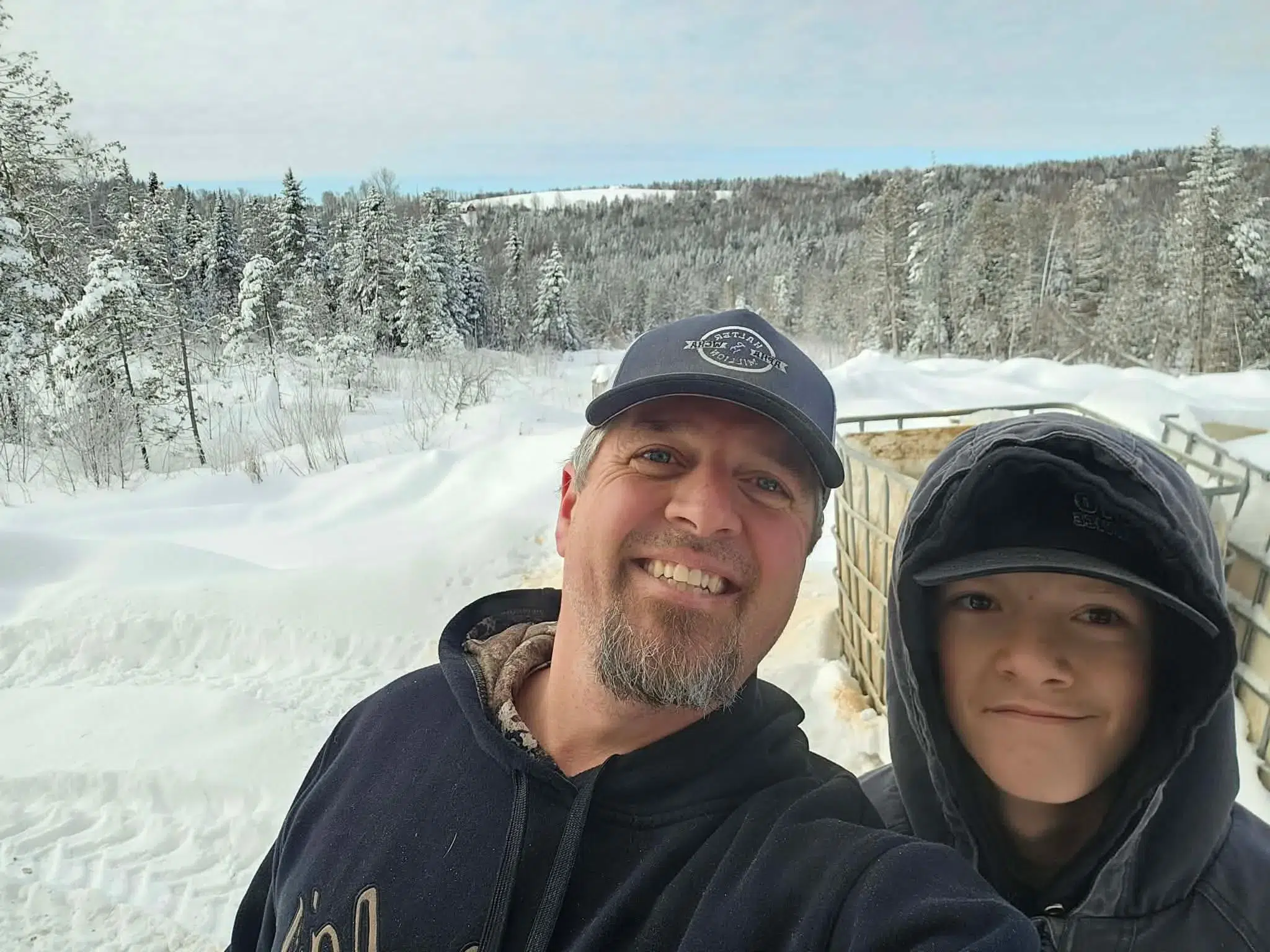
Riley and his wife started their regenerative hog farming operation six years ago. Riley, who previously worked as a salesman selling everything from auto parts to vegetable starters, got into pig farming during the COVID-19 pandemic. While his wife was homeschooling their kids, they built a chicken coop. When a friend who raised piglets came up one short, Riley went out and bought some pigs. After one of the new pigs turned out to be pregnant, they had piglets, but they didn’t survive. Following this, Riley bought some bred sows, built a barn and a chicken coop, and began farming.
He eventually took over pork production for a local farmer who passed away. The Harnesses began supplying local colleges and continued reaching out to Walden, eventually partnering with Adam to grow their business. Riley credits his and his wife’s success to their ability to start the farm organically with minimal funds and help from friends and family. The farm is mostly run by Riley, his wife, and their children, who are 11, 13, and 17.
Riley grew up spending a lot of time on his aunt’s small dairy farm and his uncle’s large dairy farm in Vermont, but he and his immediate family did not own a farm. He deliberately avoided dairy farming, which he considers one of the hardest types of farming, due to the seven-day-a-week commitment. Instead, he focused on hog farming, which was the only reasonable thing to grow on the land he had available. The scarcity of tillable land at a reasonable price, largely due to the dairy industry’s demand for land to manage manure, made other livestock like beef farming impractical.
A Unique Farming Operation
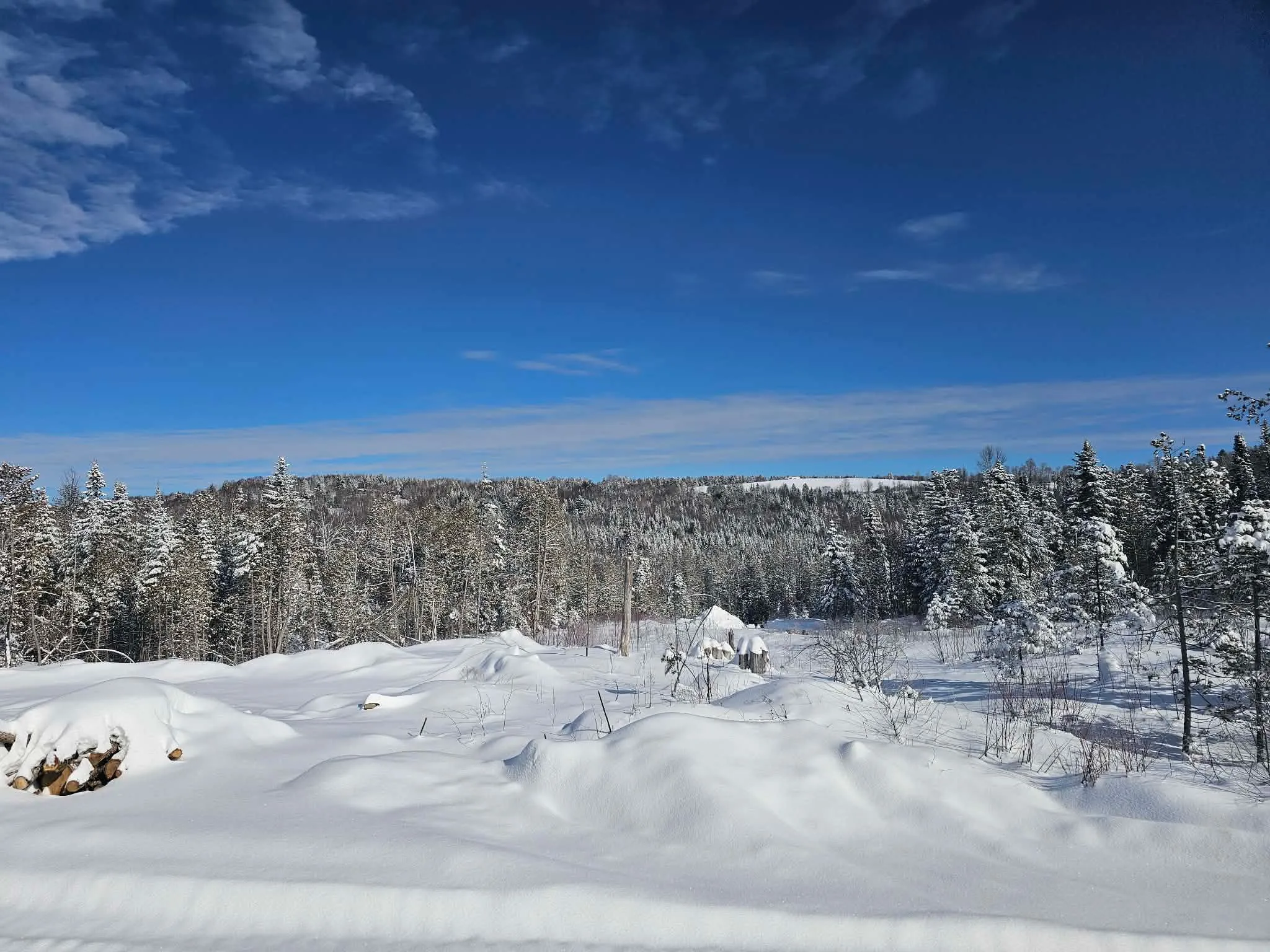
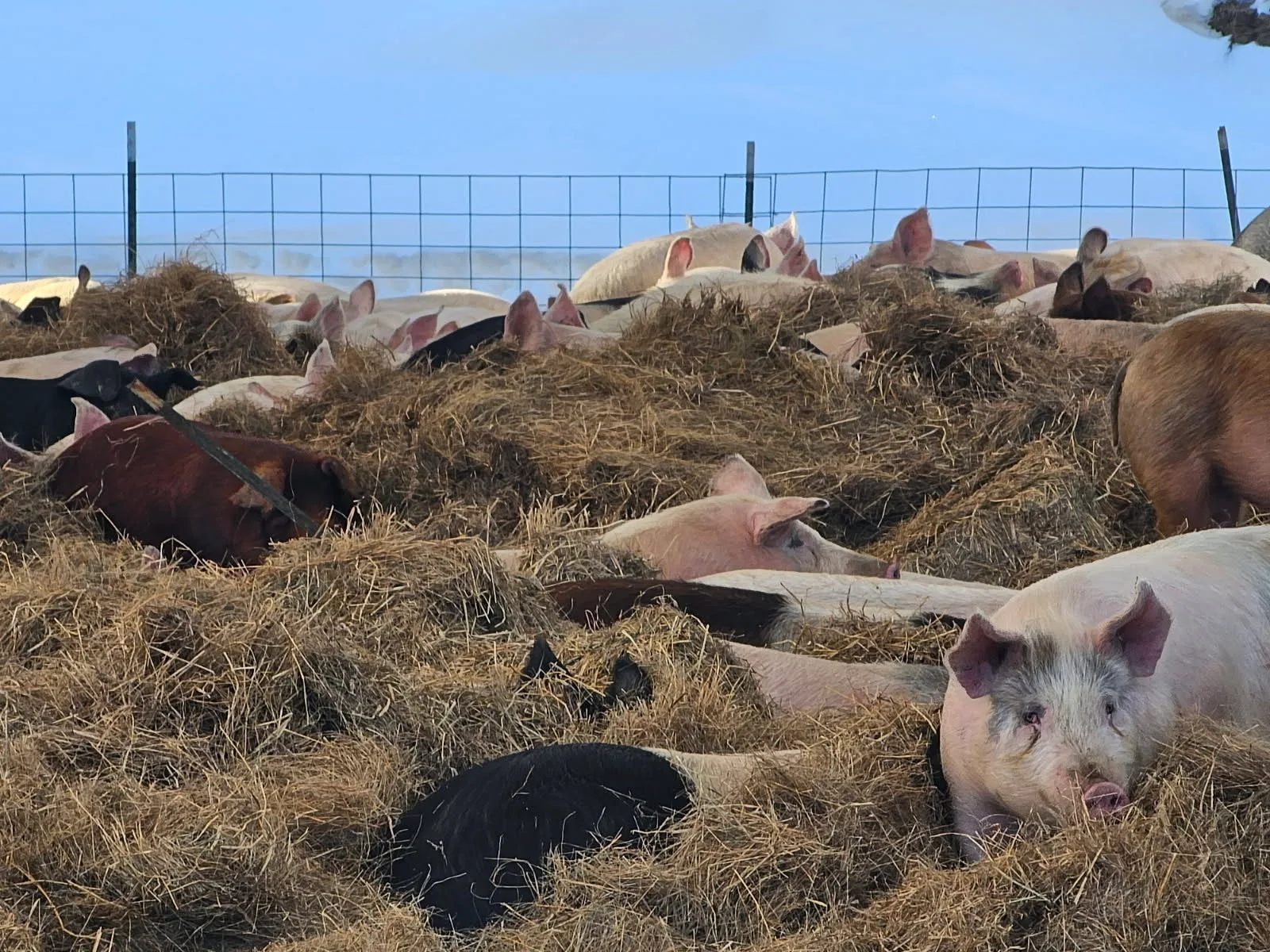
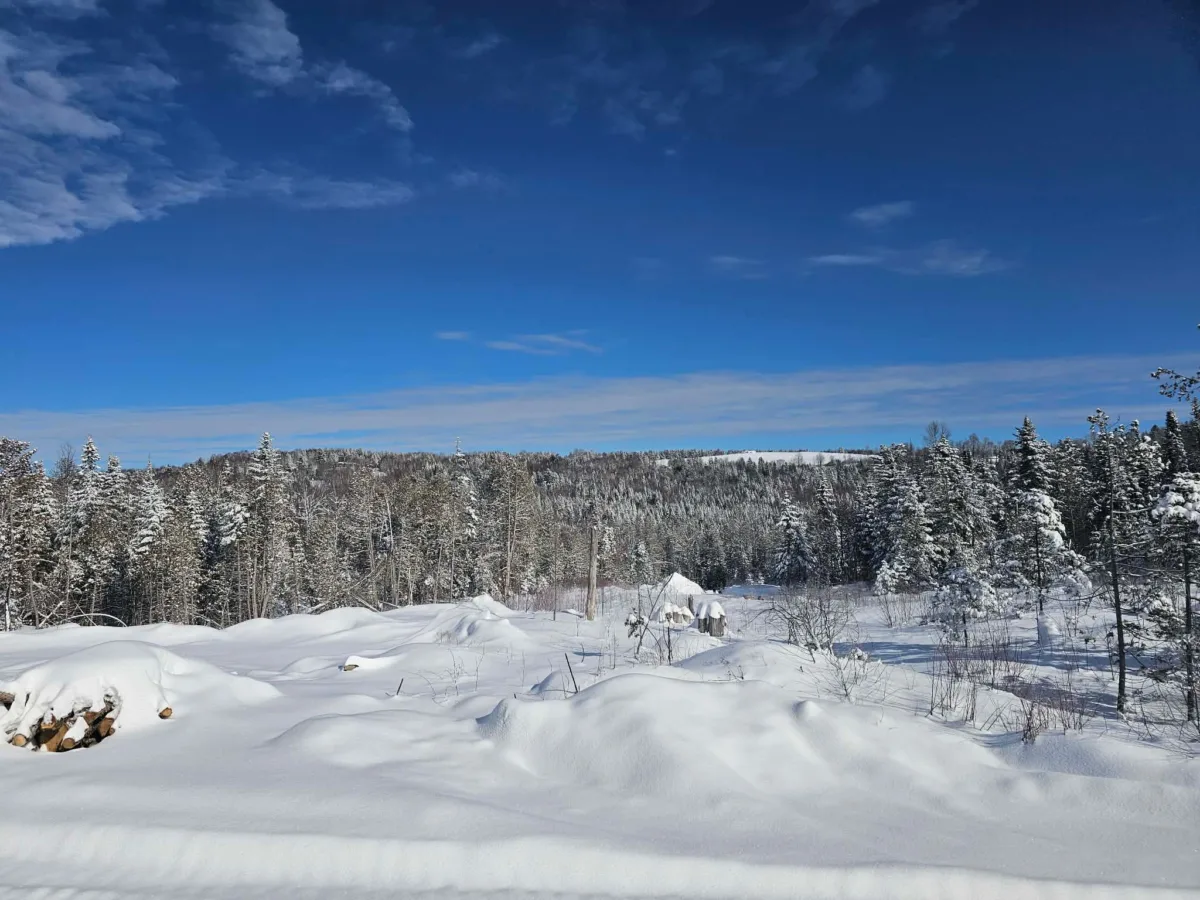
The Harness farm is located on the side of a mountain in Vermont, in a snow belt. Riley estimates that they will raise 3,000 to 4,000 hogs on the mountain side this year. Unlike conventional confinement operations where pigs are raised indoors on concrete in large barns built over a manure pit, the Harness farm uses an old piece of land that was logged and opened up. They have a shelter built with a grant from the state of Vermont and currently operate without electricity.
The pigs are raised in pastures where they can exhibit natural behaviors like roaming and rooting. While a standard conventional confinement barn, measuring approximately 50 feet by 200 feet, can hold about 1,225 head, the new “double wide” standard (100 feet by 200 feet) can hold approximately 2,460 hogs, providing about eight square feet per hog. In contrast, Riley suggests that his farm’s tightest area is likely 10 times the size of a conventional operation’s most open area.
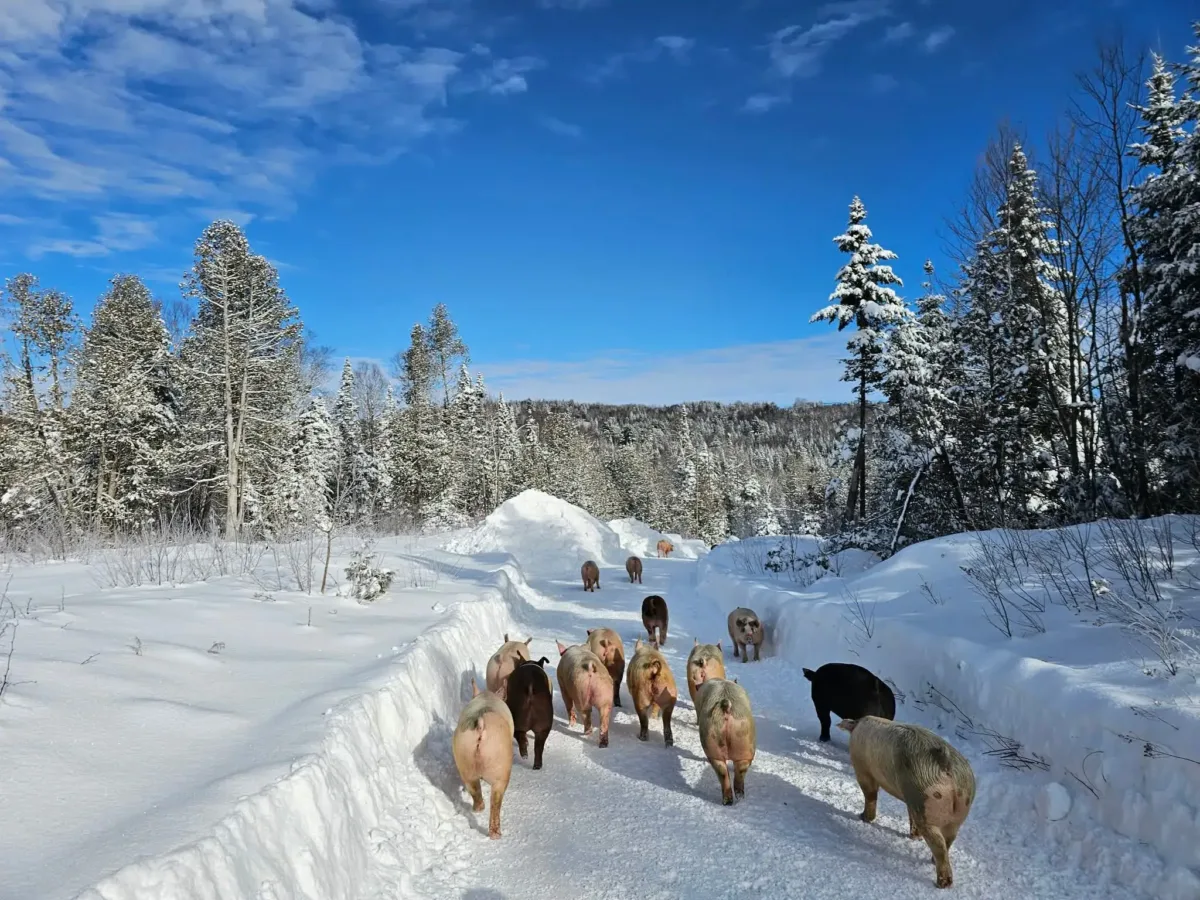
Loading hogs on Riley’s farm involves a hands-on, non-present-day farming process. The family sorts the pigs from the pastures into a barn, then walks them a quarter of a mile down the road to the trailer because the trailers can’t access the location in the winter. During the winter, the family must use square bales to create windbreaks for the pigs against the extremely cold temperatures.
To Riley, that’s just the right way to do it, and hog farming requires a lot of thought process, including paying attention to breeding and creating custom grain mixtures.
The Regenerative Agriculture Journey
Riley’s awareness of regenerative agriculture is as long as his farming history. He recognized the need to respect the land to sustain its use. He credits much of his knowledge in the last year and a half to phone calls with Adam, saying that “knowing a bunch of people who know it and do it has been really helpful”. He notes that regenerative farming is not a quick transition, and he’s had to struggle and fail quite a bit, but he is getting to a reasonable spot.
Looking ahead, Riley’s next goal is to find a larger, more permanent farm with better infrastructure.
This would allow for:
Even more frequent pasture rotation.
More area to spread manure.
Growing more of their own bedding to become more self-sufficient.
He wants to be able to control the environment and keep more processes in-house, ultimately aiming to optimize their current setup. He recognizes the shift in his thinking toward regenerative concepts, particularly the focus on pasture rotation and its impact on the operation’s viability.
The Challenge of Eating Healthy Today
Riley believes that the problem with commodity agriculture is societal, not with the farmers themselves. He argues that society forces farming to be done in a way that minimizes cost, making healthy, sustainably raised food more expensive. He notes that to farm on a large scale, the industry has become more business-oriented than farm-oriented.
Riley believes that the most rewarding part of his job is the ability to do it mostly on his own with his family. Despite the “absolutely miserable” challenges of farming, especially during a harsh winter, he believes that as the partnership between Walden and its farmers continues, it will produce a better product for Walden members.
Related Posts
Walden Family Farmers: Meg and Rob Wilcox
See inside Wilcox Family Farm, a multi-generational regenerative farm in Brookfield, NY, and learn why supporting small farms matters.
Our 2025 Impact Report
Walden Local’s 2025 Impact Report details how regenerative farming delivers real results—for farmers, land, animals, and families. In 2025, Walden supported over 24,000 households, managed more than 28,000 regenerative acres, paid farmers over 3× the commodity rate, donated 37,000+ pounds of food, and produced meat with significantly better nutrition. Read the full report to see how regenerative meat, farmer-first economics, and transparent standards are building a better food system.
Why Walden Members Matter—From a Farmer Who Lives This Every Day
When farmers know that there is a market that will support regenerative production—not just philosophically, but economically—they are far more willing to step away from systems that no longer serve them or the land. When consumers consistently choose food that reflects their values, they help make those transitions possible.