Our Regenerative Farming Standard
A practical framework for raising animals on pasture while improving the way farms manage soil, grazing and natural systems over time.
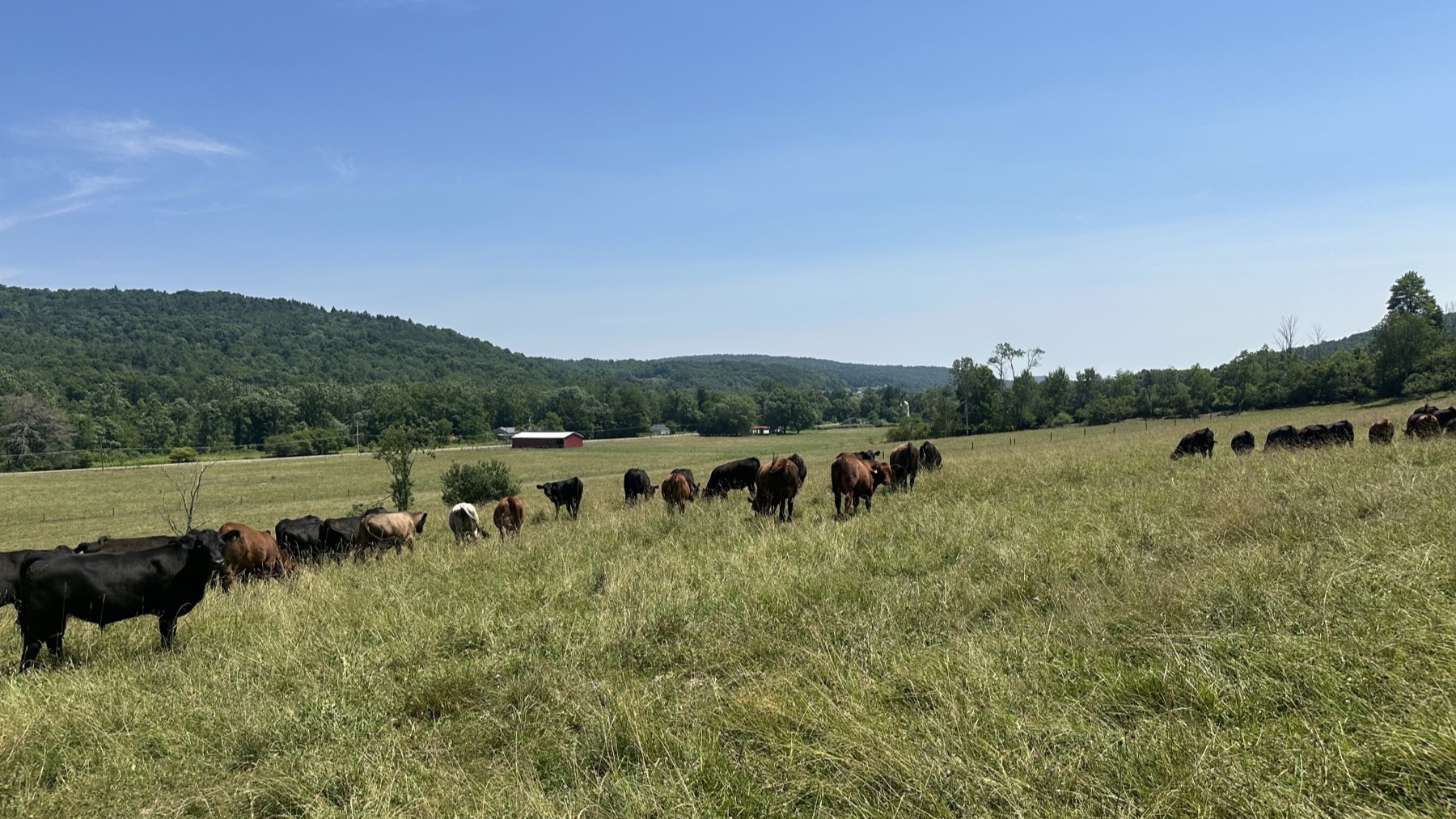
The Walden Regenerative Score
Regenerative farming isn’t one practice or one finish line. So we built a framework for measuring progress.
Every Walden farm is evaluated on a 0-to-5 scale covering how animals are raised and how the farm manages areas including genetics, living conditions, feed, grazing and soil.
Level 0 represents the conventional commodity baseline and is not eligible for the Walden program. Walden farms enter at Level 1 or above. From there, the framework gives farmers a way to identify the next set of practices they can work toward.
Breaking Ground
The transition begins. Animals meet Walden’s entry standards, including pasture requirements appropriate to the species and Walden restrictions on growth hormones and antibiotics.
Taking Root
Planning becomes practice. More structured rotation, grazing and land-management practices become part of the farm plan.
Building Momentum
Management becomes more adaptive. Grazing becomes more deliberate and synthetic inputs are further reduced according to the standards for each species.
Thriving System
Animals and land are managed as a more integrated system. Practices can include frequent moves onto fresh ground, on-farm genetics and feed sourced from regenerative systems, depending on species.
Regenerative Mastery
The most advanced level in the Walden framework. Level 5 represents farms meeting the full set of practices defined for their species, including highly integrated pasture, genetics and feed systems.
Good Husbandry Comes First.
Across the Walden program, animals are raised without growth-hormone implants and without antibiotics as part of their production program.
If an animal needs antibiotic treatment, it receives the treatment it needs and then leaves the Walden program.
Our standards put pasture, nutrition, movement and animal husbandry at the center of everyday animal care.
What each level looks like, by protein.
Cattle aren’t chickens. Pigs aren’t sheep. The same five-level framework therefore looks different depending on the animal. Here’s how the Walden Regenerative Score applies across beef, pork, poultry, eggs and lamb.
| Beef | Pork | Poultry | Eggs | Lamb | |
|---|---|---|---|---|---|
| 0Conventional BaselineNot eligible for the Walden program | Conventional feedlot beef, grain-finished in dry lots with growth hormones and feed-grade antibiotics. | Industrial confinement production, including indoor housing on slats, gestation crates, tail docking and sub-therapeutic antibiotics. | Industrial indoor confinement at commodity stocking densities with medicated commodity grain. | Conventional battery-cage production, including approximately 67–86 square inches per hen. | Conventional feedlot lamb finished in confinement drylots on grain with routine antibiotics and dewormers. |
| Level 1Breaking Ground | On pasture year-round and 100% grass-fed. No feedlot finishing, growth hormones or antibiotics. Rotation may still be limited. | Deep-bedded barns with outdoor access for rooting. No crates or antibiotics. Feed meets Walden’s antibiotic-free standard. | Static houses with outdoor access at lower densities. Antibiotic-free feed with no animal byproducts. | Cage-free hens with outdoor access for foraging and dust bathing. No forced molting. Feed meets Walden’s antibiotic-free standard. | Raised on pasture without drylot finishing. Forage-raised with no implants or antibiotics. Parasites managed with inputs allowed under the standard. |
| Level 2Taking Root | Rotated across permanent pasture according to a grazing plan, with stored hay for winter. Tillage is reduced and synthetic inputs begin being replaced with biological alternatives. | Extended pasture access. Purchased feeder pigs meet the Walden standard. Composted manure is returned to the land. Feed becomes increasingly regional and non-GMO. | Unrestricted pasture access equal to at least half the indoor area. Lower stocking densities. Feed becomes increasingly regional and non-GMO. Litter is composted. | Cage-free with unrestricted pasture access equal to at least half the indoor area. Regional, non-GMO feed. Housing supports natural behaviors. | Rotated across pasture according to a grazing plan with stored winter forage. Forage-finished with targeted, test-guided parasite management. |
| Level 3Building Momentum | Managed through temporary-fenced paddocks with planned rest periods. Grass-finished on diverse forage. No tillage. Biological inputs replace most synthetic inputs. | Pasture-raised on ground planted for rooting. Non-GMO rations. Feeders come only from farms meeting the corresponding Walden score. | Available pasture equals or exceeds indoor space. Flocks rotate across the ground. Non-GMO rations and lower stocking densities. | Pasture-raised with outdoor space equal to or greater than indoor space. Pastures rotate. Non-GMO feed. Litter is returned to the land. | Temporary-fenced paddocks create planned rest periods. Grass-finished on diverse forage. Grazing is used as part of parasite management. No tillage. |
| Level 4Thriving System | Frequent moves provide fresh forage. Herd genetics are selected on-farm for performance on grass. Animal health is managed through husbandry under Walden standards. | Farrow-to-finish production plus verified feeder sources. Animals are pasture-raised. Feed is non-GMO and regeneratively grown. | Pasture-raised in mobile coops moved across fresh ground. Grain is non-GMO and regeneratively grown. Lower stocking densities. | Hens live in mobile coops moved across fresh ground. Grain is non-GMO and regeneratively sourced. Manure is deposited directly onto pasture. | Frequent moves onto fresh forage. Lambing occurs on pasture. Genetics are selected for performance on grass and parasite resistance. |
| Level 5Regenerative Mastery | Cattle spend their lives on pasture with year-round grazing. Multi-generational, grass-adapted herd genetics are bred on-farm. | Farrow-to-finish production with animals spending their lives on pasture. Non-GMO feed is grown and prepared regeneratively on-farm. | Birds spend their lives on pasture in mobile coops. Feed is grown on-farm. Birds come from an on-farm hatchery and breeder flock. | Hens spend their lives on pasture in mobile coops. Feed is grown on-farm and the hatchery is maintained on-farm. | Sheep spend their lives on pasture with year-round grazing. Multi-generational flock genetics are selected on-farm for pasture performance and parasite resistance. |
A summarized, member-facing version of the Walden Regenerative Score v3. Levels are cumulative, each building on the one before it. Level 0 is a conventional baseline shown for context only and is not eligible for the Walden program. The full framework carries additional audit criteria, and practices vary by farm, region, species and season. The Score describes farming practice rather than measured outcome — for independent lab results from these same farms, see Nutritional Quality.
It all starts with the soil.
Regenerative farming treats a farm as a living system: soil, plants, animals, water, weather and people all connected.
The practices vary from farm to farm. They can include managed grazing, diverse forage, living roots, reduced tillage and fewer synthetic inputs.
At Walden, we use a common framework to evaluate that work and track progress over time.
The framework is organized around three competencies: Soil, Stewardship and Systems.
Soil
Soil is where the system begins. Six principles guide how our farmers think about it.
Know Your Place
Farms are different. Climate, soil, terrain and growing season all shape which crops, animals and practices make sense in a particular place.
Disturb the Soil as Little as Possible
Tillage can disrupt soil structure and biological activity. Our framework encourages farmers to reduce physical disturbance and synthetic inputs over time.
Keep the Soil Covered
Plants, crop residue and mulch help protect soil from sun, wind and rain while reducing erosion and helping retain moisture.
Build Diversity
Different plants and rotations create more diversity above and below ground.
Keep Living Roots in the Ground
Living roots help hold soil in place and provide food for soil organisms while helping water move into the ground.
Integrate Animals and Soil
Managed grazing returns manure and other nutrients to the land while allowing animals to harvest forage directly from pasture.
Stewardship
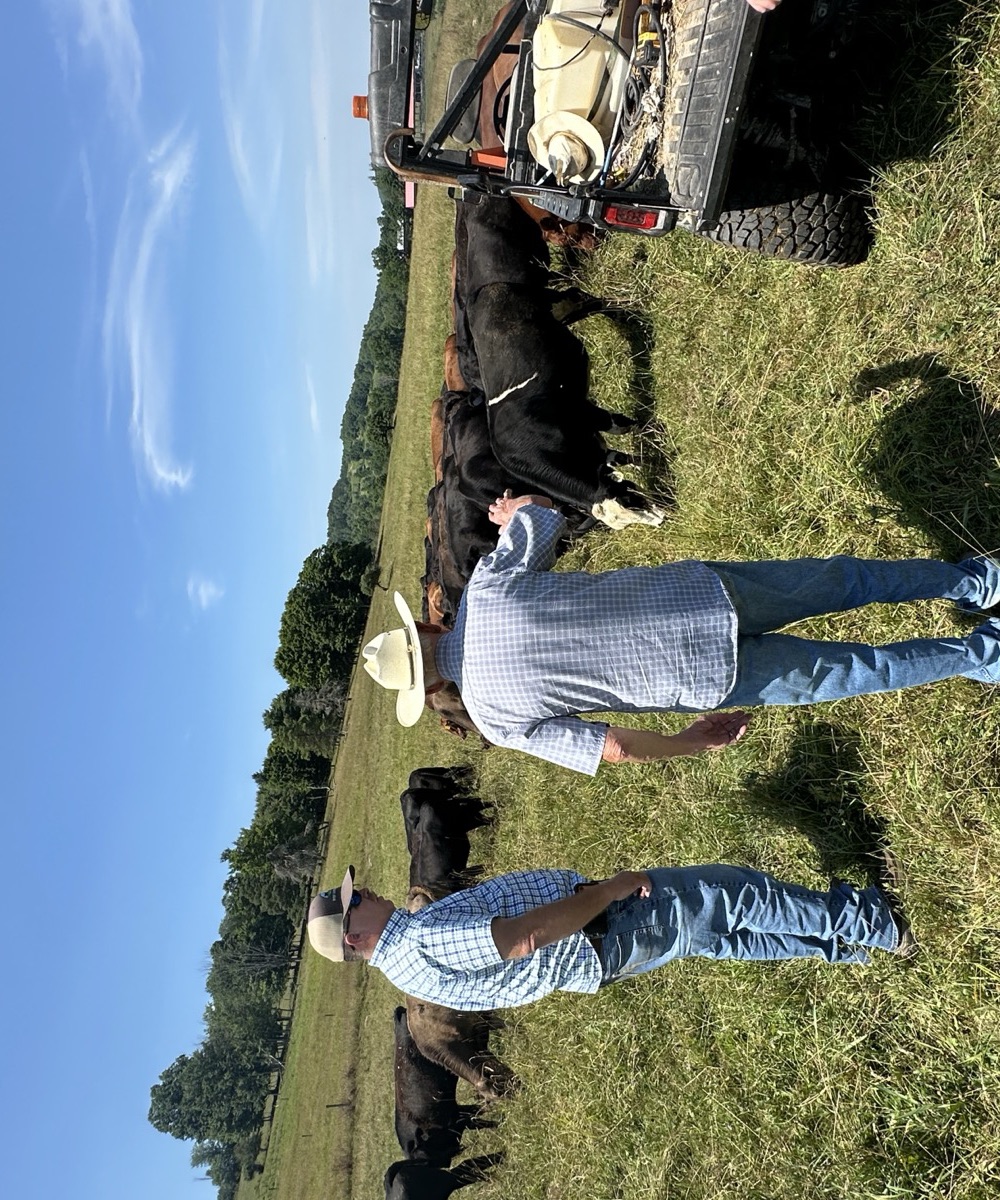
Regenerative farming requires observation, planning and adjustment.
Every Choice Counts
Grazing, planting, timing and animal-management decisions can affect other parts of the farm. The goal is to consider the whole system when making them.
Build Diversity
A greater variety of plants and animals can create more biological diversity across a farm.
Plan for Change
Weather, forage and animals don’t follow a fixed schedule. Farmers adjust grazing and planting plans as conditions change.
Systems
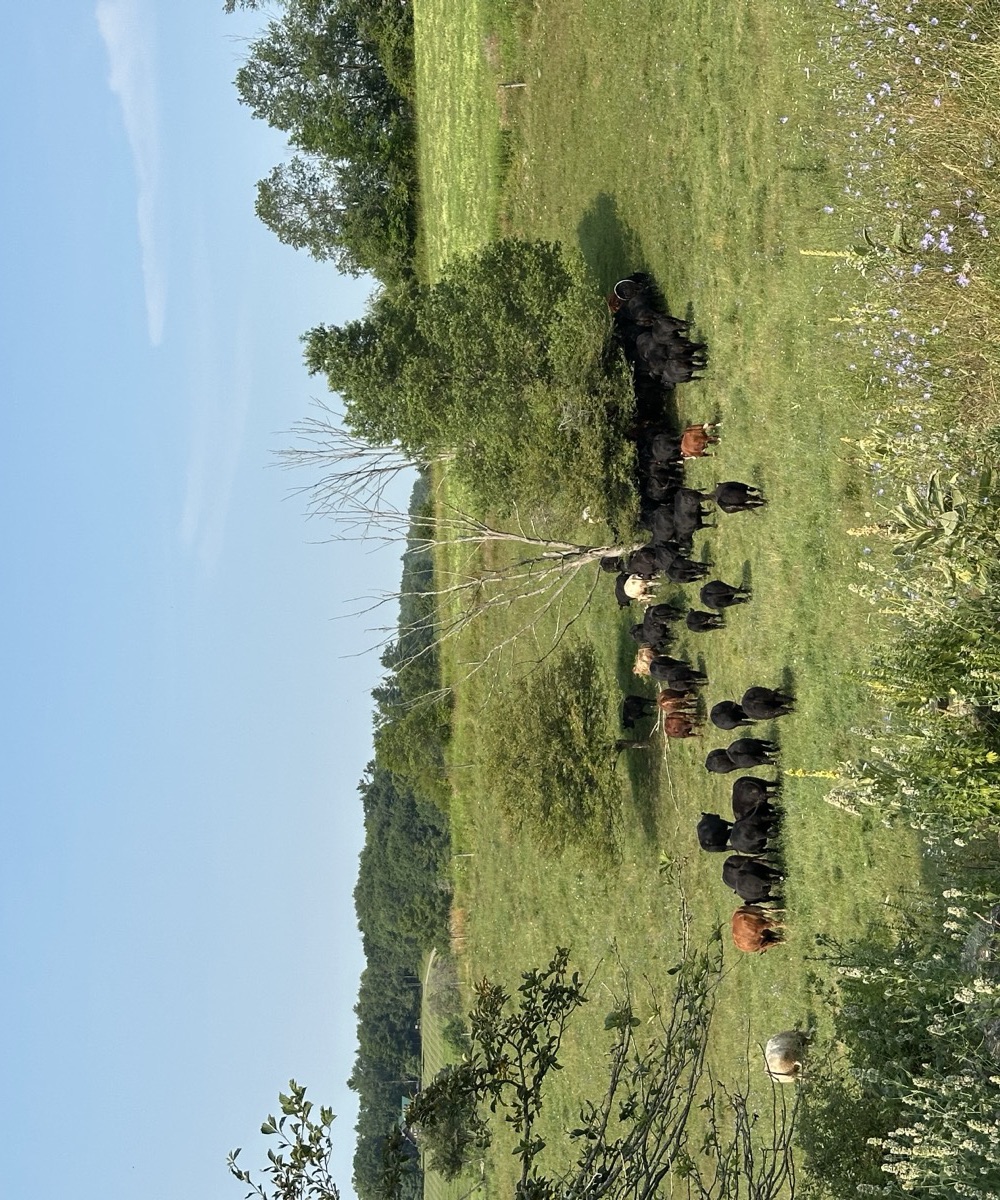
Four natural cycles help us understand what’s happening across a farm.
Energy Flow
Sunlight fuels plant growth. Animals harvest that forage, and plant and animal matter return nutrients to the soil.
Water Cycle
Soil structure and plant cover affect how rainfall and snowmelt move across and into the ground.
Mineral & Nutrient Cycle
Nutrients move between soil, plants and animals and return through manure and decomposing plant material.
Biodiversity
Plants, animals, insects and microorganisms interact across the farm. Our framework considers how farming practices support diversity within that system.
Follow It From Pasture to Plate.
The standard explains how our farmers raise animals. Now meet the people doing the work — and see what independent testing found in the meat.
