Firecracker Blueberry Butterflied Drumsticks
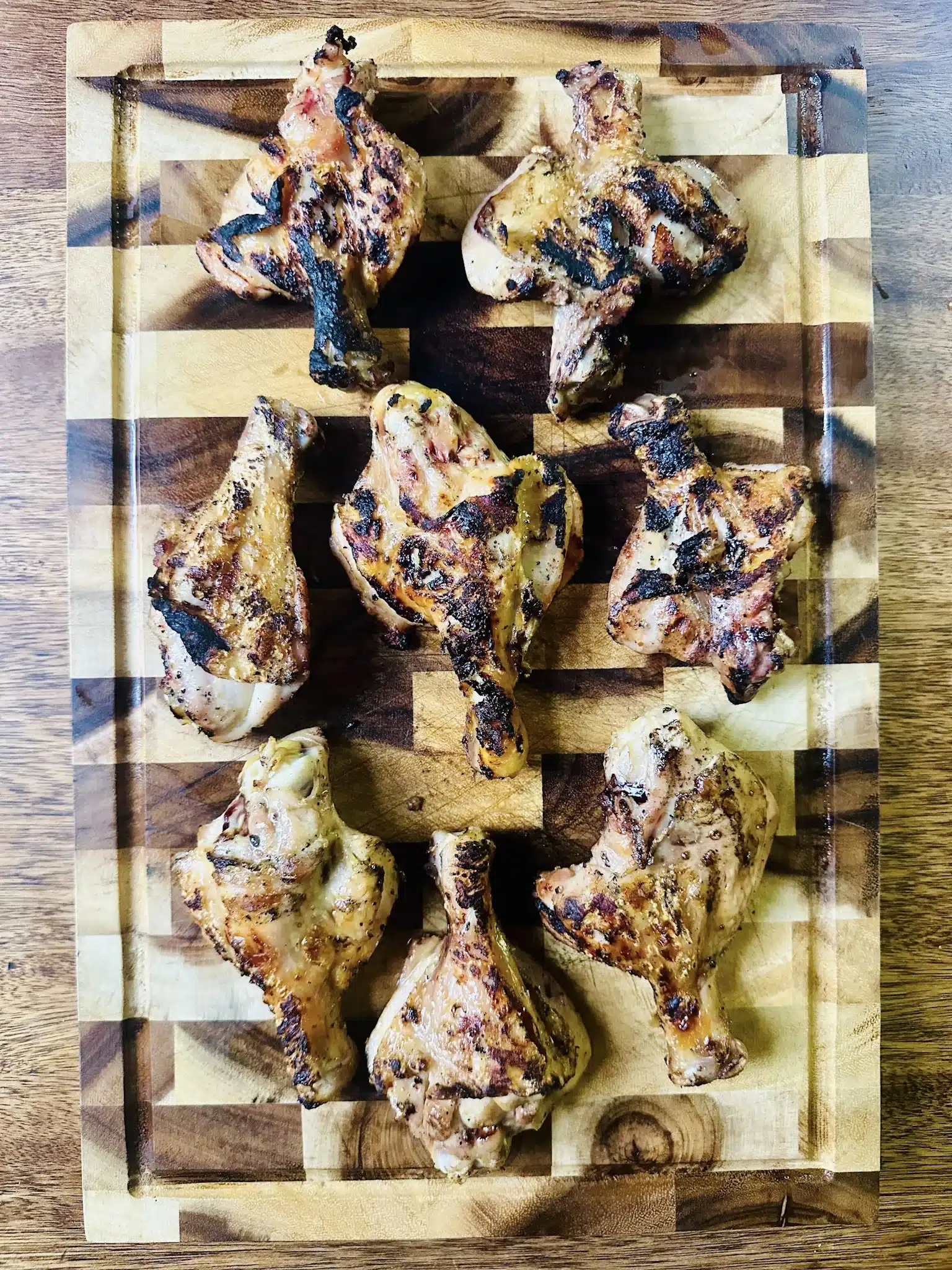
Butterflying the drumsticks in this summery recipe makes for faster cooking and crisper skin.
Recipe from Scott M., Yarmouth, ME
Serves: 4
Time: 50 Minutes
Ingredients:
- 1 lb Walden heritage chicken drumsticks (~ 6 or so)
- 2 Tbsp honey · 1 Tbsp apple-cider vinegar · 1 pinch cayenne
- 1 Tbsp neutral oil · 1 tsp each kosher salt & cracked pepper
- ½ cup blueberries
- Finish: chopped mint, lemon zest
Directions:
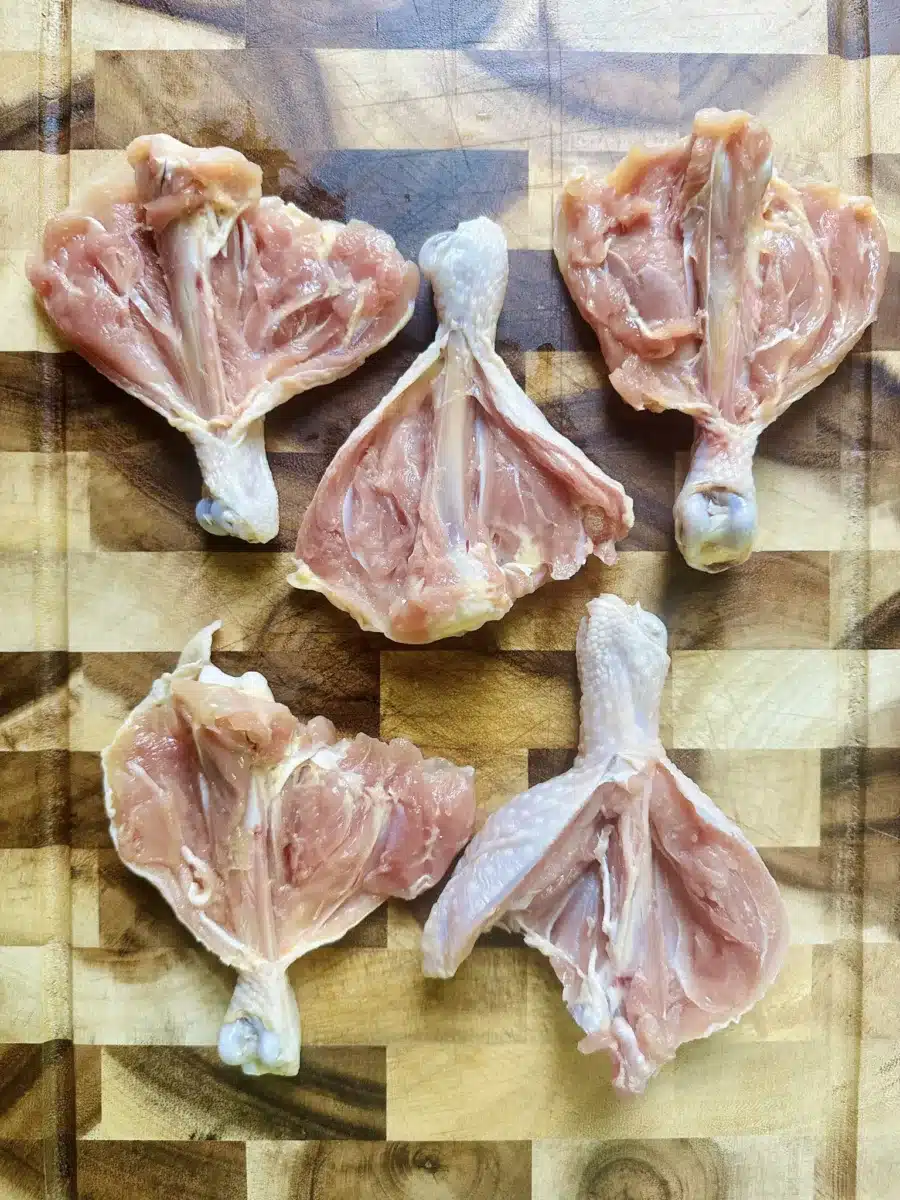
- Start by butterflying the drumsticks. With the bone running away from you, use a sharp knife to slice lengthwise from thick end to knuckle, right down to the bone (see photo below for guidance). Pry the meat open like a little book. Season both sides with the salt, pepper, and oil; let stand while you make the glaze.
- Make the glaze. Simmer blueberries, honey, vinegar, cayenne in a small pan, smashing berries until syrupy. Reserve half.
- Grill – Two-zone setup ~375 °F. Indirect, skin-up 12 min. Flip, brush glaze, 8 min more. Direct heat, skin-down 3–5 min, brushing again, to 165 °F.
- OR Smoker – 275 °F. Smoke 30 min, glaze, then finish hot grill 8–10 min to crisp and 165 °F.
- Rest 5 min. Brush with reserved glaze, shower mint & zest.
- Serve—sweet heat, summer complete.
Related Posts
Walden Family Farmers: Meg and Rob Wilcox
See inside Wilcox Family Farm, a multi-generational regenerative farm in Brookfield, NY, and learn why supporting small farms matters.
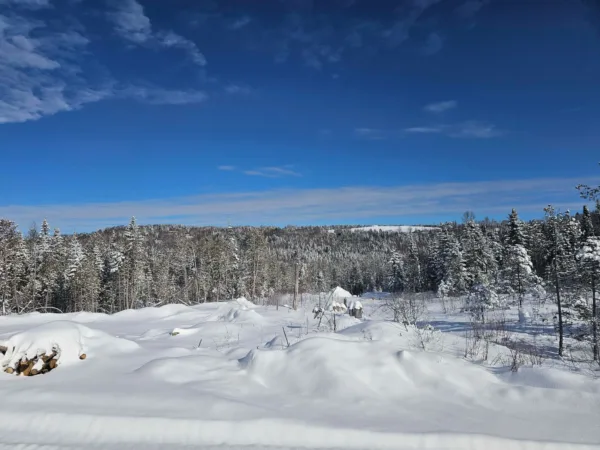
Walden Family Farmers: Riley Harrness
Riley’s awareness of regenerative agriculture is as long as his farming history. He recognized the need to respect the land to sustain its use. The Harness farm is located on the side of a mountain in Vermont, in a snow belt. Despite the challenges of farming, especially during a harsh winter, he is proud of his partnership with Walden to feed families and contribute to his local economy.
Our 2025 Impact Report
Walden Local’s 2025 Impact Report details how regenerative farming delivers real results—for farmers, land, animals, and families. In 2025, Walden supported over 24,000 households, managed more than 28,000 regenerative acres, paid farmers over 3× the commodity rate, donated 37,000+ pounds of food, and produced meat with significantly better nutrition. Read the full report to see how regenerative meat, farmer-first economics, and transparent standards are building a better food system.