How Do We Make It Work?
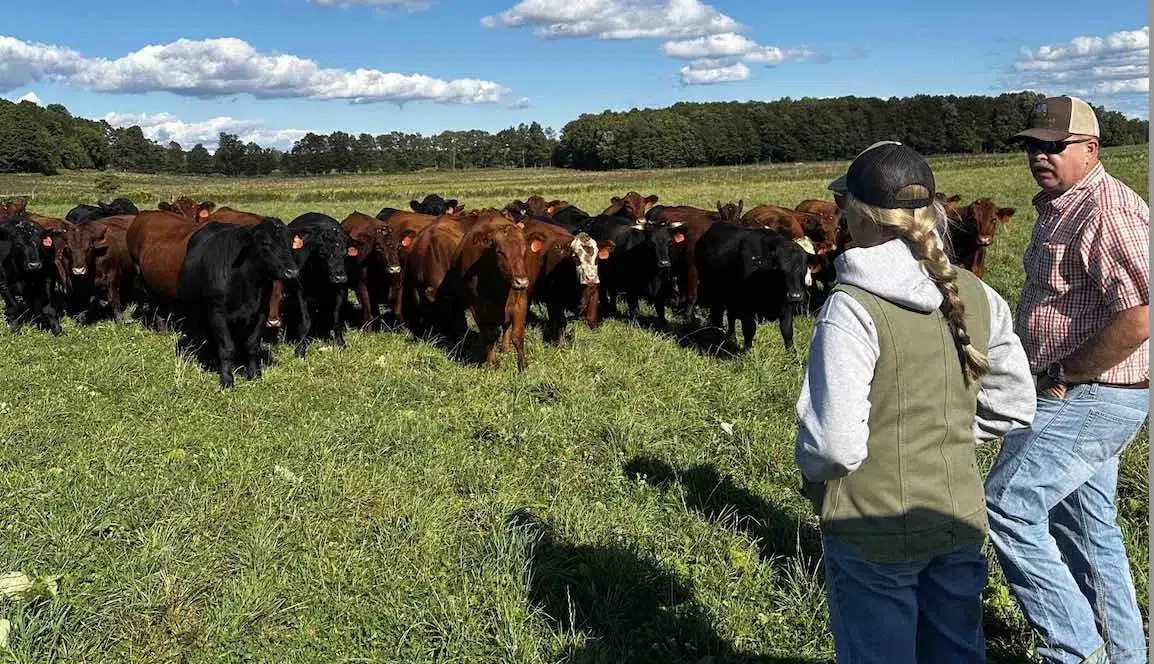
We are often asked how we manage to facilitate relationships with so many farmers, while ensuring that we have the right amount of product at the right time without compromising on any of our standards.
First, when we were first getting started we wanted to develop real and lasting farm partnerships. Many restaurants go out to farmers looking to order several hundred pounds of sirloin steaks on a monthly basis, and are even willing to pay a high price and make a big commitment. But farmers that are experts at growing perennial pastures generally don’t also have inventory management, logistics, and customer service as a primary area of interest or expertise – making this type of order a red herring of sorts…one that creates lots of intractable problems for the farmer: What to do with all of the shanks? Ground beef? How to deliver the product and ensure it stays cold?
Instead, we make commitments for whole animals months in advance – and make good on those commitments even when our needs change. We generally don’t work to change hearts and minds of farmers – we find producers who are already interested in or already practicing regenerative agriculture, managing in ways consistent with our values and affidavit standards, helping them to grow their operations. This makes farm visits and ongoing monitoring pretty straightforward – we’re all after the same goals.
Second, Adam Grady, formerly with Understanding Ag, coaches our East Coast farms on regenerative farming, sharing best practices, monitoring performance, and ensuring the integrity of our products. A beef farmer himself, based in Kenansville, NC, he and our supply team are in constant conversation with our partner farms and processors.
Lastly, our model works because of our amazing membership base. The predictability of our whole animal program (combined with some solid forecasting!) allow us to project out demand on a rolling 18-month basis and then coordinate what we anticipate our needs to be with our farms and processors. Our hope is that by connecting communities – our member base to our farm partners – we can create a more stable system of planning and pricing that promotes the long-term viability and financial sustainability of our farms.
Related Posts
Walden Family Farmers: Meg and Rob Wilcox
See inside Wilcox Family Farm, a multi-generational regenerative farm in Brookfield, NY, and learn why supporting small farms matters.
Need Better Protein? Here’s Why Walden’s is Different.
This is about building something better—for the land, for farmers, for communities, and for the future.
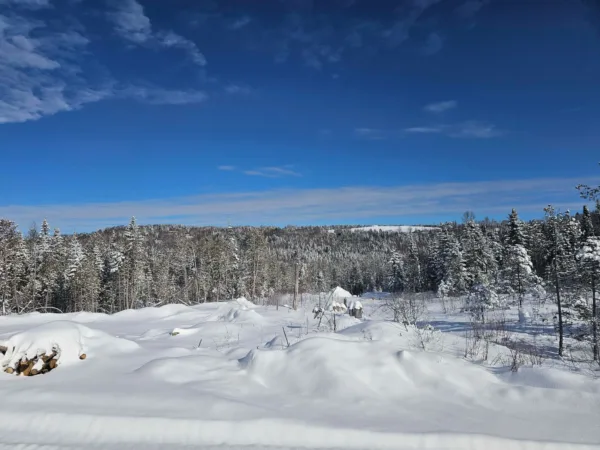
Walden Family Farmers: Riley Harrness
Riley’s awareness of regenerative agriculture is as long as his farming history. He recognized the need to respect the land to sustain its use. The Harness farm is located on the side of a mountain in Vermont, in a snow belt. Despite the challenges of farming, especially during a harsh winter, he is proud of his partnership with Walden to feed families and contribute to his local economy.